

You know that heartbreaking moment when you reach for your favorite loaf only to find it’s harder than a rock? Yeah, I’ve been there too many times. Let me share what I’ve learned about keeping bread fresh—because life’s too short for stale sandwiches.
Why Does Bread Go Stale Anyway?
Here’s the thing: bread doesn’t actually dry out when it goes stale. Mind-blowing, right? The process is called retrogradation, where starch molecules crystallize and firm up. Basically, your bread is having a molecular midlife crisis.
Temperature plays a massive role here. Room temperature speeds up this crystallization process like crazy. Meanwhile, your fridge? That’s actually the worst place for bread (more on that disaster later). Understanding this helps you outsmart staleness.
The moisture in bread also migrates from the center to the crust over time. This is why day-old bread feels different—it’s not necessarily drier, just redistributed. Science is wild, folks.
The Countertop Method: Short-Term Storage
For bread you’ll eat within 2-3 days, the counter is your best friend. Keep it in its original packaging or transfer it to a bread box. I swear by my bread box—it maintains just enough airflow without drying things out.
Paper bags work surprisingly well too. They let bread breathe while protecting it from excess air exposure. Plastic bags? They trap moisture, which sounds good but can make your crust soggy. Nobody wants a sad, limp crust.
Store your bread away from direct sunlight and heat sources. Your countertop near the stove? That’s a one-way ticket to Staleville. Find a cool, dry spot instead.
The Freezer Method: Your Long-Term Solution
Freezing bread is honestly a game-changer. I freeze almost everything now, and my bread waste has dropped to nearly zero. The key is doing it right, though—no one wants freezer-burned toast.
Slice your bread before freezing if it’s not pre-sliced. This lets you grab exactly what you need without thawing the whole loaf. FYI, trying to slice frozen bread is basically impossible and slightly dangerous.
How to Freeze Bread Properly
Wrap your bread tightly in plastic wrap, then add a layer of aluminum foil. This double protection prevents freezer burn and keeps moisture locked in. I’ve kept bread fresh for up to three months this way.
Label everything with the date. Trust me, future you will appreciate knowing when you froze that sourdough. Store bread in the back of your freezer where temperature stays most consistent.
When you’re ready to eat it, let slices thaw at room temperature for 15-20 minutes. Or pop them straight into the toaster—works like magic. For whole loaves, thaw in the packaging at room temperature for several hours.
Why You Should NEVER Refrigerate Bread
Let’s talk about the fridge situation. Refrigerating bread actually makes it go stale faster. The temperature range of 35-40°F is the sweet spot for starch retrogradation. Congrats, you’ve created a staling accelerator!
I learned this the hard way after ruining countless loaves. The bread gets tough, dry, and loses its delightful texture within a day or two. It’s like bread purgatory—not moldy enough to throw away, but too sad to enjoy.
The only exception? If you live somewhere extremely hot and humid where mold grows faster than you can eat the bread. But even then, freezing is still the better option IMO.
Bread Boxes: Are They Worth It?
Absolutely yes. A good bread box regulates humidity and airflow, creating the ideal environment for short-term storage. Mine cost about $30, and it’s paid for itself in saved bread.
Look for boxes with ventilation holes. Solid wood or bamboo options work great because they absorb excess moisture. Metal and ceramic varieties are good too, just make sure they have some airflow.
Size matters here—get one that fits your typical bread purchases. Too small and you’ll cram everything in awkwardly. Too large and you’re wasting counter space. Ever wondered why grandma’s bread always tasted fresh? Bread box magic.
Different Breads, Different Storage Needs
Artisan & Crusty Breads
Store these cut-side down on a cutting board for the first day. The crust protects the interior while the cut side stays moist against the board. After day one, wrap loosely in paper or cloth.
Never put crusty bread in plastic—you’ll destroy that beautiful crust you paid extra for. Paper bags maintain texture while preventing excessive drying. These loaves are best eaten within 2-3 days anyway.
Soft Sandwich Bread
These loaves handle plastic bags better since they’re meant to be soft. Keep them sealed in their original packaging at room temperature. The preservatives in commercial bread actually help them last longer.
Homemade sandwich bread needs a bit more care. Store in a plastic bag with as much air pressed out as possible. It should stay good for 3-4 days on the counter.
Bagels & Rolls
Freeze these babies immediately if you’re not eating them within a day. They dry out ridiculously fast. Slice bagels before freezing—seriously, this tip alone will change your breakfast game.
Individual wrapping works best for rolls. Use plastic wrap, then put them all in a freezer bag. This way you can grab one or two without exposing the rest to air.
The Linen Bag Trick
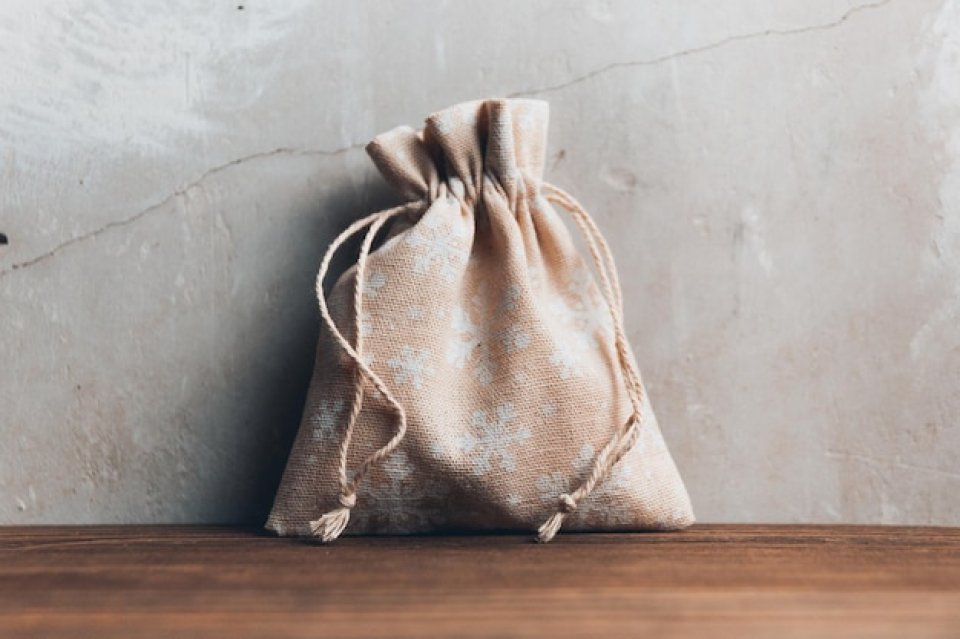
Linen bread bags are having a moment, and honestly, they deserve the hype. They balance moisture retention and breathability perfectly. Plus they’re reusable and eco-friendly, which makes me feel slightly better about my carb consumption 🙂
These bags work best for artisan breads. Wash them regularly because nobody wants musty-smelling bread storage. I keep two so I always have a clean one ready.
Reviving Stale Bread
Okay, so your bread went stale anyway. Don’t panic—you’ve got options. Sprinkle the loaf with water and heat it in a 300°F oven for 5-10 minutes. The moisture creates steam, temporarily reversing that crystallization process.
For slices, the toaster remains your reliable friend. Stale bread actually makes better toast because it absorbs butter like a champ. French toast and bread pudding are also excellent uses for past-its-prime bread.
Breadcrumbs! Pulse stale bread in a food processor and store the crumbs in the freezer. You’ve just created a pantry staple and reduced waste. Feeling accomplished yet?
What About Bread Storage Containers?
Beyond bread boxes, specialized containers have flooded the market. Some work great, others are gimmicks. Look for containers with adjustable ventilation that let you control airflow based on your bread type.
Clear containers help you see what you have, reducing forgotten loaves. But avoid storing them in direct sunlight—UV rays accelerate staleness. I use an opaque container in my pantry and love it.
Silicone bags are interesting for freezer storage. They’re reusable, seal well, and don’t transfer flavors. A bit pricey upfront but worth considering if you freeze bread regularly.
Common Bread Storage Mistakes
Mistake #1: Leaving bread unwrapped. Exposed bread loses moisture quickly and attracts dust. Always provide some protection, even if it’s just a paper bag.
Mistake #2: Storing different bread types together. Strong-flavored breads can transfer their taste to milder ones. Keep that garlic bread away from your sandwich loaf unless you want surprising flavor combinations.
Mistake #3: Ignoring mold signs. If you spot mold, toss the whole loaf. That visible spot has already sent invisible spores throughout. Not worth the risk, folks.
The Real Talk on Preservatives
Commercial breads last longer partly due to preservatives and conditioners. Calcium propionate, for example, inhibits mold growth. Before you panic, these are generally recognized as safe by food authorities.
Homemade and artisan breads lack these additives, which is why they stale faster. It’s the trade-off for better flavor and texture. Choose your priority: longevity or taste?
I buy preservative-free bread and freeze what I won’t eat immediately. Best of both worlds—fresh taste without waste. Problem solved.
Pro Tips from a Bread Enthusiast
Buy bread later in the day when bakeries discount day-old items, then freeze immediately. You save money and get the same quality after thawing. Your wallet will thank you.
Invest in a good serrated knife for slicing homemade loaves before freezing. Clean cuts mean better texture after thawing. My bread knife is my kitchen MVP.
Keep bread away from bananas, tomatoes, and other ethylene-producing fruits. These gases can speed up mold growth. Separate your produce and bread storage areas.
Conclusion
Storing bread properly isn’t rocket science, but it does require understanding a few key principles. Freeze for long-term, countertop for short-term, and never refrigerate—remember those three rules and you’re golden.
I’ve saved so much bread (and money) since figuring this out. No more guilt over tossing stale loaves or forcing myself to eat subpar sandwiches. You deserve fresh bread, and now you know how to keep it that way.
Go forth and conquer bread storage. Your future sandwiches will be infinitely better for it!
Frequently Asked Questions
Q: How long can I keep bread in the freezer?
A: Properly wrapped bread stays fresh in the freezer for up to three months. After that, it’s safe to eat but quality declines. Always use airtight wrapping to prevent freezer burn.
Q: Can I freeze bread in its original plastic bag?
A: For short-term freezing (under a month), yes. For longer storage, add an extra layer of protection like aluminum foil or a freezer bag to maintain quality and prevent freezer odors.
Q: Why does my bread get moldy so fast?
A: High humidity, warm temperatures, or storing bread while still warm from the oven creates condensation that promotes mold. Always cool bread completely before storing and keep it in a dry environment.
Q: Should I toast frozen bread or thaw it first?
A: You can do either! Sliced bread toasts perfectly from frozen—just add 30-60 seconds to your normal toasting time. For eating untoasted, thaw at room temperature for 15-20 minutes.
Q: Do bread boxes actually work or are they just decorative?
A: They absolutely work when designed properly with ventilation. Good bread boxes regulate humidity and airflow, keeping bread fresh 2-3 days longer than sitting unwrapped on the counter.
Q: What’s the best way to store homemade bread without preservatives?
A: Eat what you’ll consume in 2-3 days and freeze the rest immediately after cooling. Store the portion you’re keeping at room temperature in a paper bag or bread box, never in the fridge.