
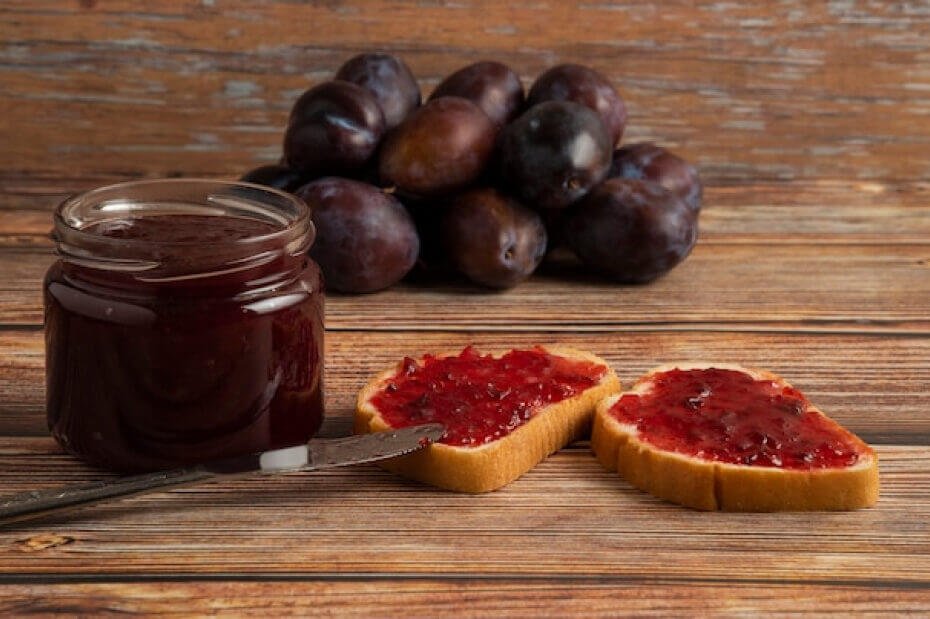
Let’s get real for a second—fig jam is one of those things that sounds fancy, but once you actually make it, you realize it’s ridiculously simple. And the best part? It tastes like something you’d pay $12 for at a boutique farmers’ market stall.
I started making fig jam years ago because I had way too many figs from a neighbor’s tree (bless them, but also… how many figs can one person eat raw?). The answer: not nearly enough before they go soft. That’s when I learned that jam making homemade isn’t just easy, it’s borderline addictive.
So, if you’ve ever wondered how to transform fresh figs into something you can spread on toast, swirl into yogurt, or use to instantly upgrade your cheese board, buckle up—this fig jam recipe is about to be your new best friend.
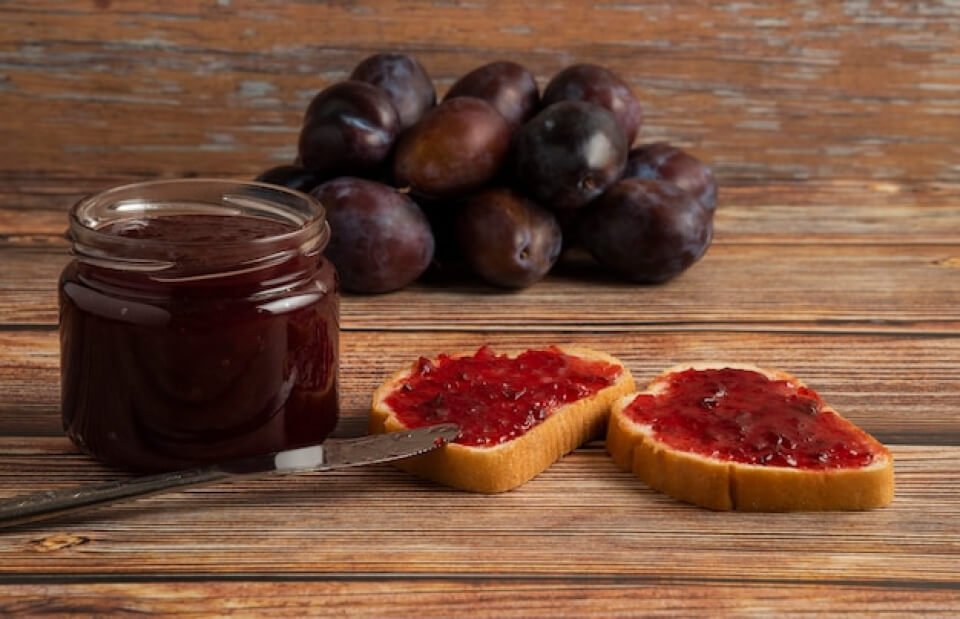
Easy Homemade Fig Jam Recipe You’ll Love
This homemade fig jam recipe transforms ripe figs into a sweet, rich spread perfect for toast, cheese boards, or glazes. With simple ingredients and easy steps, you’ll master jam making homemade in no time. Plus, canning preserves it for year-round enjoyment. Sweet, tangy, and endlessly versatile.
Ingredients
-
Fresh ripe figs
-
Granulated sugar
-
Fresh lemon juice
-
Lemon zest
-
Water
How To Make Fig Jam
- Wash and chop figs.
- Add figs, sugar, lemon juice, zest, and water to pot.
- Simmer until figs soften and release juices.
- Mash figs to desired consistency.
- Cook 40–50 minutes until thick.
- Cool slightly and store in jars.
- Optionally, can jars for long-term storage.
Why Make Fig Jam At Home?
Okay, let’s address the obvious: why not just buy a jar? You could. But here’s the thing—store-bought fig jams are often loaded with more sugar than actual figs. And don’t even get me started on that bland, one-note sweetness. Homemade fig jam? Totally different story.
- Fresh figs recipes give you natural sweetness and a silky texture.
- You control the sugar level (no cloying syrupy goo).
- You can tweak the flavor—think cinnamon, lemon zest, or even a splash of balsamic vinegar.
- And IMO, nothing feels more “domestic goddess” than pulling out a jar of your own jam at brunch.
Plus, if you’re into fig jam recipe canning, you can stock your pantry for months. That means fig magic on-demand, even in the middle of winter.
What You’ll Need for Fig Jam
I keep things classic because figs already bring a lot to the table. Here’s the basic lineup:
- Fresh ripe figs
- Granulated sugar
- Lemon juice (freshly squeezed is non-negotiable)
- Lemon zest (because flavor layers matter)
- Water
That’s it. Some people like to sneak in spices like cinnamon or cardamom, which totally works if you want to lean into a fall vibe. But honestly? Figs do all the heavy lifting here.
Step-By-Step: How to Make Fig Jam
Making fig jam is easy once you know the rhythm. It’s kind of like babysitting—low-key, but you need to keep an eye on things.
Step 1: Prep the Figs
Wash your figs gently because they bruise faster than my ego after karaoke night. Trim off the stems and cut them into quarters. If they’re really big, chop them smaller—this helps them break down evenly.
Step 2: Set Up the Pot
In a heavy-bottomed pot, toss in your figs, sugar, lemon juice, lemon zest, and water. Stir until everything looks like a sticky mess. That’s exactly what you want.
Step 3: Simmer and Stir
Turn on medium heat and let the mixture come to a simmer. Stir occasionally to keep it from sticking. You’ll notice the figs start to release their juices and soften. The smell? Absolute heaven—sweet, tangy, and almost floral.
Step 4: Break It Down
As the figs cook, use a potato masher or the back of a spoon to smash them down. Want a chunky jam? Mash lightly. Prefer a smoother fig jelly recipe vibe? Go all in and mash thoroughly.
Step 5: Cook Until Thick
This part takes patience. Keep simmering and stirring for about 40–50 minutes until the jam thickens. You’ll know it’s ready when you drag a spoon through the pot and it leaves a trail before filling back in. Classic jam-maker trick.
Step 6: Cool and Store
Let the jam cool slightly before transferring it to clean jars. You can refrigerate for immediate use or use a canning figs recipe method to preserve it longer. If you’re new to canning, it’s basically sterilizing jars, filling them, sealing tightly, and giving them a hot-water bath. Easy peasy once you’ve tried it.
Fig Jam Canning: Worth the Effort?
If you’re planning to make a big batch, yes, absolutely. Canning might sound intimidating, but it’s basically a spa day for your jam jars. 🙂 You sterilize the jars, fill them with hot jam, seal them, and then let them take a quick soak in boiling water. Done.
Why bother? Because canned fig jam lasts up to a year in your pantry, and you don’t need to hog all the fridge space. Plus, it makes killer homemade gifts. Wrap a ribbon around a jar, call it artisanal, and suddenly you’re everyone’s favorite person.
Creative Variations on Fig Jam
Plain fig jam is perfect, but who doesn’t love a remix? Here are some fun spins:
- Fig Strawberry Jam Recipe – Mix figs with strawberries for a sweet-tart blend.
- Fig Chutney Recipe – Add onions, vinegar, and spices for a savory kick. Works wonders with curries or grilled meats.
- Fig Butter – Cook figs down longer with less sugar for a silky, spreadable butter.
- Savory Jelly Recipe – Toss in herbs like rosemary or thyme for a gourmet twist.
See? One fruit, endless possibilities.
What To Do With Fig Jam (Besides Eat It Straight From the Spoon)
Okay, so you’ve got this gorgeous jar of jam. Now what? Oh friend, the options are endless.
- Toast & Biscuits: The classic move. Simple, satisfying.
- Cheese Board Hero: Pair fig jam with goat cheese, brie, or sharp cheddar. Instant upgrade.
- Glaze for Meats: Brush it on pork, chicken, or even salmon. Sweet, savory perfection.
- Fig Jam Appetizers: Spread on crostini with cream cheese or prosciutto.
- Fig Bread: Swirl jam into quick bread batter before baking. Game changer.
- Dessert Topping: Drizzle over ice cream, cheesecake, or pancakes.
And FYI, fig jam isn’t just a breakfast thing—it’s an all-day, everyday kinda condiment.
Fig Jam vs Fig Preserves vs Fig Jelly
You’ve probably seen all three and wondered if there’s really a difference. Spoiler: yes.
- Fig Jam – Made with mashed figs, so it’s chunky and textured.
- Fig Preserves Recipe – Uses whole or large pieces of fruit, so you get actual bites of fig in syrupy goodness.
- Fig Jelly Recipe – Made from fig juice, completely smooth and clear.
So, which one is “best”? IMO, jam hits the sweet spot (pun intended) between rustic and spreadable.
Tips for Making the Best Jam Recipes
- Use ripe figs only. Underripe figs taste bland and won’t give you that rich sweetness.
- Adjust sugar based on taste, but don’t skip it—sugar helps preserve the jam.
- Always add lemon juice. It balances sweetness and helps with setting.
- Test for doneness with the “cold plate trick”: put a plate in the freezer, drop some jam on it, and if it wrinkles when you push it, you’re good.
Honestly, once you nail this process, you’ll find yourself experimenting with all sorts of interesting jam recipes. Peach and ginger, strawberry basil, plum with cinnamon… you name it.
Final Thoughts
Here’s the bottom line: fig jam is easy, versatile, and makes you look way more impressive in the kitchen than you actually are. Whether you’re spreading it on toast, gifting it to friends, or stirring it into a cocktail (yes, that’s a thing), it’s the kind of recipe that keeps giving back.
So, the next time you see a basket of figs at the market—or a neighbor casually dumps a bag of them on your porch—you know exactly what to do. 😉