
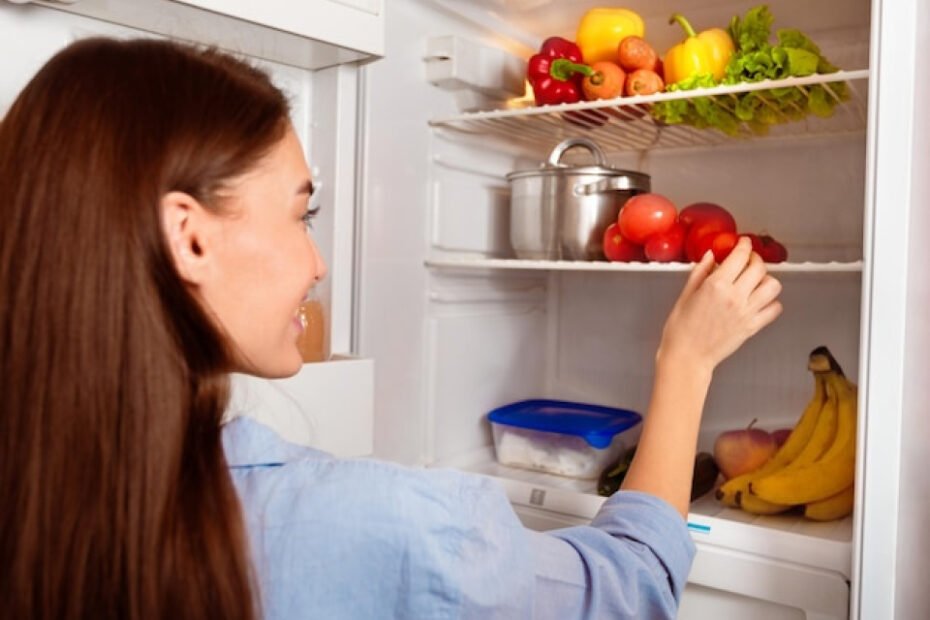
You know that moment when you open your fridge and something falls out? Or worse, you find that expired yogurt hiding in the back from three months ago?
Yeah, we’ve all been there. Your fridge is basically a black hole where food goes to die, and your money goes down the drain with it.
But here’s the thing: organizing your fridge doesn’t require a degree in Tetris. I’ve spent way too much time (and money) learning this the hard way. Let me walk you through some game-changing hacks that’ll transform your chaotic fridge into a money-saving, time-efficient machine.
Why Fridge Organization Actually Matters
Let’s get real for a second. A messy fridge isn’t just an eyesore—it’s literally costing you cash. The average family throws away $1,500 worth of food annually. That’s like tossing out your Netflix subscription for the entire year. Ouch.
When your fridge is organized, you actually see what you have. Revolutionary concept, right? You stop buying duplicate items because you forgot you already had mayo and you use ingredients before they go bad. You save time searching for that one thing you need.
Plus, an organized fridge helps maintain proper temperatures. Cold air circulates better, keeping everything fresher longer. Your fridge doesn’t work overtime, which means lower energy bills. Win-win.
The Golden Rules of Fridge Organization
Before we jump into specific hacks, let’s cover some ground rules. Think of these as your fridge commandments. Break them at your own risk (and wallet).
Rule #1: See-Through is King
Ever wonder why professional kitchens use clear containers? Because opacity is the enemy of food management. I switched to clear containers last year, and holy moly, what a difference.
You can instantly see what leftovers you have. No more mystery containers playing Russian roulette with your stomach. Glass or clear plastic—doesn’t matter. Just make sure you can see through it.
Rule #2: FIFO (First In, First Out)
Restaurants use this method religiously. Newer items go behind older ones. Sounds obvious, but how many times do you just shove groceries wherever they fit?
I label everything with dates now. Takes 30 seconds, saves hours of waste. When you grab milk, you automatically reach for the older one first. Simple but crazy effective.
Rule #3: Zone Your Fridge
Your fridge has different temperature zones. The top shelf is warmest, bottom shelf is coldest, and door is the warmest spot overall. Use this knowledge wisely, my friend.
Don’t put milk in the door—I know, I know, that’s where the milk holder is. But temperature fluctuations destroy dairy faster. Keep condiments in the door; they’re hardy enough to handle it.
The Best Container Systems That’ll Change Your Life
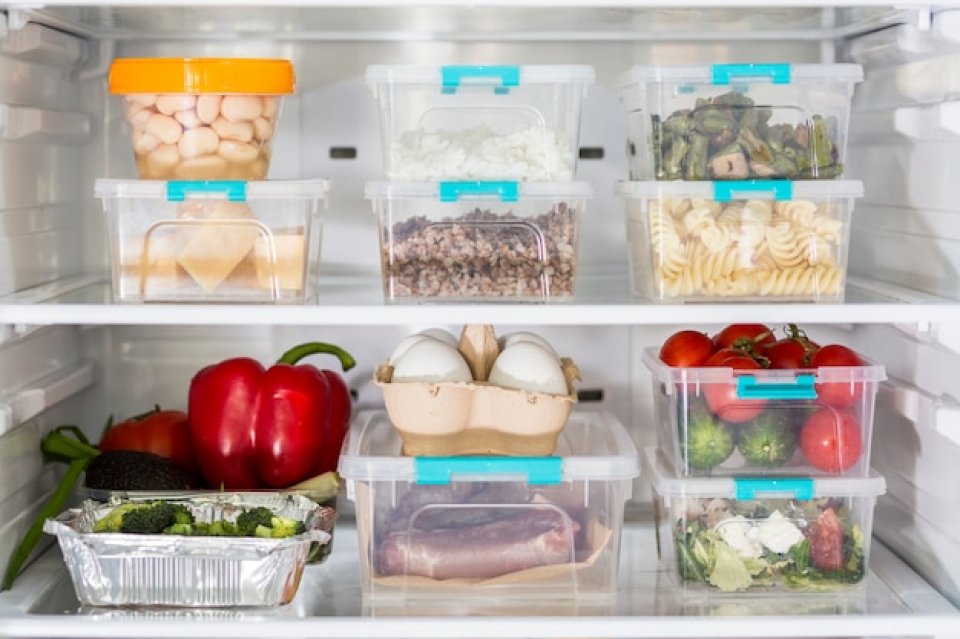
Let’s talk storage solutions. Not all containers are created equal, and some are straight-up game-changers for fridge organization.
Stackable Clear Bins
These rectangular bins are my absolute favorite hack. Group similar items together—all your cheeses in one bin, yogurts in another, snacks in a third. You pull out one bin and boom, everything you need is right there.
Key benefits:
- Maximize vertical space
- Create designated zones
- Easy to clean and rearrange
- Kids can grab their own snacks
I use different sizes for different shelves. Wider bins for bottom shelves, narrower ones for doors. It’s like organized chaos but actually organized.
Lazy Susans Aren’t Just for Dinner Tables
Plot twist: Lazy Susans work brilliantly in fridges. Stick one on your top shelf for condiments and jars. No more reaching behind ten things to grab the mustard.
I have two in my fridge now. One for sauces, one for jams and spreads. You just spin and grab. Takes three seconds instead of excavating the entire shelf.
They’re especially perfect for corner spots or deep fridges. Everything rotates to you instead of disappearing into the abyss. Pure genius, IMO.
Egg Holders and Produce Bins
Ditch the cardboard egg cartons. Get a stackable egg holder that stores more eggs in less space. Plus, you can see exactly how many eggs you have left.
For produce, use ventilated bins. They keep fruits and veggies fresh way longer by allowing proper air circulation. I’ve had lettuce last two weeks instead of going soggy in three days.
Strategic Shelf Placement for Maximum Efficiency
Where you put things matters more than you think. Let me break down the perfect fridge layout that’ll save you both time and money.
Top Shelf Strategy
This is your grab-and-go zone. Store ready-to-eat foods here: leftovers, drinks, deli meats, and cheese. Everything that doesn’t need cooking goes on top.
Why? Because it’s the warmest area and the most accessible. You don’t want raw chicken sitting where it’s warmest. You want your breakfast yogurt right at eye level.
I keep all my lunch-prep containers here. Morning me is barely functional, so having lunch ready and visible is a lifesaver. No excuses, no last-minute takeout.
Middle Shelves Are Your Workhorses
This is prime real estate. Store dairy products, eggs (yes, in the fridge body, not the door), and frequently used items here. Temperature’s consistent, access is easy.
Group items by meal type. Breakfast stuff together, lunch items together. Sounds Type-A, but trust me, it speeds up meal prep significantly. You grab one section and you’re set.
I also keep my meal-prep ingredients here. If I’m making tacos Tuesday, all the taco stuff lives together. No hunting across three shelves for salsa.
Bottom Shelf for the Cold Stuff
Coldest spot in your fridge. This is where raw meat, fish, and poultry belong. Always keep these in sealed containers or on trays to prevent drips.
Safety bonus: Keeping raw meat on the bottom prevents cross-contamination. If it leaks, it doesn’t drip onto your lettuce. Food poisoning is expensive and miserable—avoid it.
I dedicate one drawer-style bin for all raw proteins. Everything’s contained, organized, and I can pull the whole thing out for cleaning weekly.
Door Storage Done Right
The door sees the most temperature variation. Only store items that can handle it: condiments, sauces, juices, and water.
Never put in the door:
- Milk (goes bad faster)
- Eggs (temperature-sensitive)
- Delicate items (leftovers, dairy)
I use small bins in my door shelves too. One for hot sauces, one for salad dressings, one for random condiments. Keeps everything corralled and prevents that avalanche when you open the door.
The Crisper Drawer Secrets Nobody Tells You
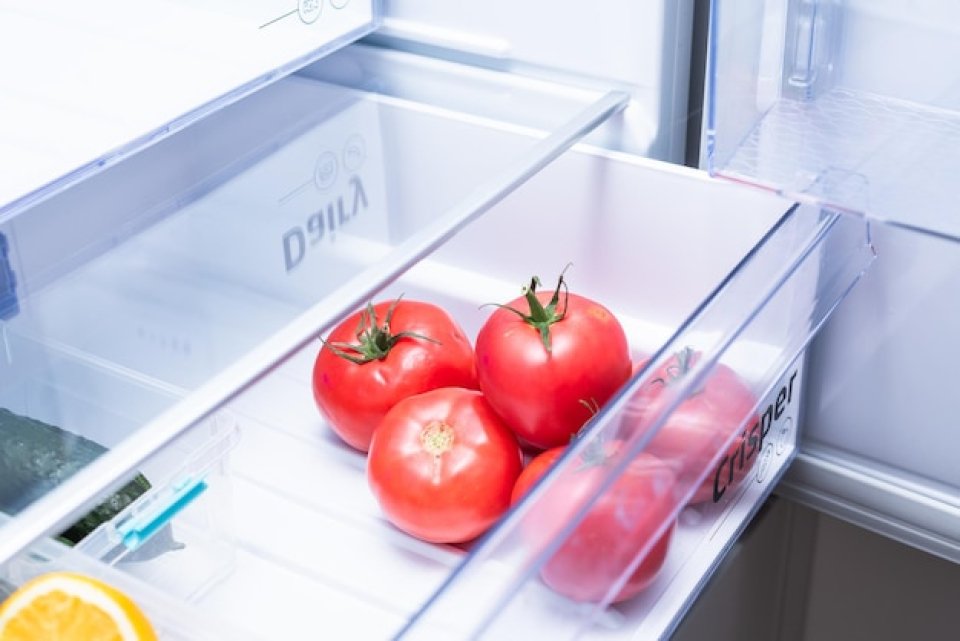
Those drawers at the bottom? They’re not just decoration. They actually serve specific purposes, and using them correctly extends produce life dramatically.
High vs. Low Humidity Settings
Most crispers have humidity controls. High humidity for leafy greens and vegetables. Low humidity for fruits and items that rot easily. This one hack alone has saved me so much money on produce.
Fruits release ethylene gas, which makes veggies spoil faster. Keeping them separate is crucial. I learned this after wondering why my lettuce kept dying next to my apples. Whoops.
Drawer Organization Hacks
Line your crisper drawers with paper towels. They absorb excess moisture and keep produce fresh longer. Change them weekly for best results. Costs pennies, saves dollars.
Store herbs like flowers. Trim the stems, place them in a jar with water, and loosely cover with a plastic bag. They last weeks instead of days. Works for cilantro, parsley, basil—basically any leafy herb.
Pre-wash and prep vegetables when you get home. Store them in airtight containers with paper towels. Yes, it takes 15 minutes upfront, but you save hours during the week. Plus, you’ll actually eat them because they’re ready to go.
Labeling Systems That Actually Work
Labels sound tedious, but they’re the secret weapon of fridge organization. You need to know what things are and when they expire. Period.
Date Everything
I use masking tape and a Sharpie. Write the date you opened something or made leftovers. Slap it on the container. Takes five seconds, prevents waste.
Label these items always:
- Leftovers (made on date)
- Opened condiments
- Meal-prep containers
- Anything in unlabeled containers
You’d be amazed how fast a week passes. That “fresh” container of soup? Actually seven days old. Without labels, you’re guessing. With labels, you know.
Color-Coding for Families
If you’ve got multiple people in your house, color-coding helps. Each person gets a color. Their snacks, meal preps, or special items get marked with their color.
My roommate and I do this. Blue tape for me, red for her. No more “Did you eat my leftovers?” arguments. Peace has been restored to our household 🙂
You can also color-code by food type. Green for vegetables, red for meat, yellow for dairy. Whatever system makes sense for your brain, use it.
Money-Saving Meal Prep Integration
Here’s where organization really pays off. When your fridge is organized, meal prepping becomes easier. And meal prepping saves serious cash and time.
Dedicate a Meal Prep Zone
Reserve one shelf or section for your weekly meal prep. All your prepped lunches and dinners live here. You always know what meals you have ready.
I prep on Sundays. Make 4-5 different meals, portion them out, label them, and stack them in my designated zone. Grab and go all week. No daily cooking, no food waste.
This prevents those “I don’t know what to eat” moments that lead to expensive takeout. When you see your meals ready and waiting, you eat them. Revolutionary, right?
Leftover Management System
Designate one container style for leftovers. I use square glass containers. When I see that container, I know it’s leftovers and needs eating soon. Visual cues are powerful.
Stack leftovers in order of age. Oldest at the front, newest at the back. You automatically grab what needs eating first. FYI, this hack alone cut my food waste by like 60%.
Quick Daily Maintenance Habits
Organization isn’t a one-time thing. It requires minimal daily maintenance. But we’re talking five minutes max—totally manageable.
The Nightly 5-Minute Reset
Before bed, spend five minutes tidying your fridge. Put things back in their zones, wipe up spills, and consolidate half-empty containers. Small effort, huge impact.
Check expiration dates while you’re at it. Toss anything questionable. Better to waste one item than contaminate your whole fridge because something went nuclear in the back.
Weekly Deep Check
Once a week, pull everything out. Wipe down shelves, check all dates, and reorganize as needed. This is when you catch problems before they become disasters.
I do this every Sunday before meal prep. Clean slate, fresh start. Plus, it helps me plan meals around what needs using up. Nothing goes to waste.
Smart Storage Hacks for Specific Foods
Different foods need different storage methods. Let me share some specific hacks that’ll blow your mind and extend food life.
Cheese Storage
Wrap cheese in parchment paper, then loosely in plastic wrap or foil. This lets it breathe while preventing it from drying out. Cheese lasts way longer this way.
Store different cheeses separately. They have different moisture levels and can affect each other. I learned this when my soft cheese made my cheddar weird and slimy. Lesson learned.
Berry Brilliance
Rinse berries in a vinegar solution (1 part vinegar, 3 parts water) before storing. Kills mold spores, and they last 2-3 times longer. Game changer.
Pat them completely dry, then store in containers lined with paper towels. Check daily and remove any that look sketchy. One bad berry spoils the bunch literally.
Herb Preservation
Besides the flower-jar method, you can also freeze herbs. Chop them, put in ice cube trays with olive oil, and freeze. Pop out cubes as needed for cooking.
This works perfectly for hardy herbs like rosemary, thyme, and oregano. Soft herbs like basil and cilantro do better with the jar method. Options for every herb type.
The Freezer-Fridge Partnership
Your freezer is your fridge’s best friend. Using both strategically maximizes freshness and minimizes waste. Let’s talk integration.
What Should Actually Be Frozen
Most people underutilize their freezers. You can freeze bread, cheese, butter, nuts, and cooked grains. These items last months frozen versus weeks refrigerated.
I freeze everything that’s approaching expiration. That chicken I won’t cook this week? Frozen. Extra bread? Frozen. Literally saves me hundreds annually. No waste, all savings.
Portion things before freezing. Freeze soup in single servings, not giant blocks. Freeze ground meat in flat portions that thaw quickly. Future you will thank present you.
Labeling Frozen Items
Frozen stuff needs labels even more than fridge items. After a few weeks, everything looks the same. That mystery meat from March? Could be anything.
Write the item name and date frozen. Use freezer-safe labels or just write directly on freezer bags with Sharpie. Takes two seconds, prevents food roulette later.
Technology Integration for Next-Level Organization
Okay, hear me out. A few simple tech tools can supercharge your fridge organization game. Nothing crazy expensive or complicated, I promise.
Fridge Camera Systems
Some new fridges have internal cameras, but you can buy stick-on cameras for like $30. Check your fridge contents from your phone while grocery shopping. No more duplicate purchases.
I don’t have this yet, but my friend does, and she swears by it. She’s stopped buying stuff she already has. Saves money and fridge space.
Inventory Apps
Track what’s in your fridge with apps like NoWaste or FridgePal. Sounds obsessive, but it’s actually super helpful. You know exactly what you have and when it expires.
Set expiration reminders. The app notifies you when food’s about to go bad. You use it up instead of discovering it three days too late. Technology for the win.
The Financial Impact of Organization
Let’s talk actual numbers. How much money does fridge organization really save? Spoiler: it’s substantial.
Food Waste Reduction
The average family wastes 30-40% of food purchased. That’s literally throwing away almost half your grocery budget. Proper organization cuts this dramatically—studies show organized storage reduces waste by up to 50%.
For a family spending $800 monthly on groceries, that’s potentially $160 in savings per month. That’s almost $2,000 annually. For organizing your fridge. The math speaks for itself.
Energy Savings
An organized fridge runs more efficiently. Cold air circulates better, the compressor works less, and you spend less time with the door open (because you find things faster).
This can reduce energy consumption by 10-15%. For most households, that’s $50-100 annually. Not huge, but combined with food waste savings? Definitely worthwhile.
Time Savings Value
Time is money, right? When you spend 10 minutes daily searching for food or deciding what to eat, that’s an hour weekly. Over a year, that’s 52 hours wasted.
With organization, meal decisions take seconds. You see what you have, grab it, and go. That saved time can be spent on literally anything else—work, hobbies, sleep, Netflix. Your choice.
Common Mistakes to Avoid
Let me save you from the mistakes I made. Learn from my fridge organization journey so you don’t repeat my fails.
Over-Buying Storage Containers
Don’t go crazy buying containers before you know what you need. I wasted money on bins that didn’t fit my shelves. Measure your fridge first, then buy accordingly.
Start small. Get a few containers, try them out, see what works. You can always add more. But returning ten bins because they’re wrong is annoying and wasteful.
Ignoring Expiration Dates
Organizing doesn’t matter if you ignore dates. The prettiest fridge in the world won’t prevent waste if you forget to actually eat the food. Stay on top of dates.
Set weekly reminders to check expirations. Make it a habit, like brushing your teeth. It becomes automatic and prevents nasty surprises.
Making It Too Complicated
Don’t create a system so complex you won’t maintain it. Simple systems work. Complicated ones fail because nobody keeps up with them. Be realistic about your habits.
If you’re not a label person, use a different method. If bins annoy you, try something else. Organization should make life easier, not harder.
Getting the Whole Family On Board
Organization only works if everyone participates. Here’s how to get your household involved without starting World War III.
Make It Easy to Follow
Create simple, obvious systems. If your 8-year-old can understand it, your spouse probably can too (kidding… sort of). Clear bins, visible labels, designated zones—keep it straightforward.
Put snacks where kids can reach them. Put breakfast items together. Make the logic obvious. People follow systems that make sense and require minimal effort.
Assign Ownership
Give each family member responsibility for their zones. Kids maintain their snack bin, adults handle their meal prep areas. When people own spaces, they care more about maintaining them.
Have weekly family fridge checks. Make it fun—not a chore. Reward good maintenance. Celebrate when you make it through a week with minimal waste. Positive reinforcement works.
Seasonal Organization Adjustments
Your fridge needs change with seasons. Summer requires more space for beverages and produce. Winter needs more room for holiday leftovers and baking supplies.
Summer Setup
Create dedicated hydration zones. More space for water, juice, and cold drinks. People drink more in summer, so accommodate that. Maybe add another bin just for beverages.
Increase produce storage. Summer brings amazing fresh fruits and vegetables. Adjust your crisper organization to handle higher volumes. Maybe dedicate more shelf space to prepped veggies.
Winter Configuration
Make room for holiday leftovers. Before big holidays, clear out space. You’ll need containers for turkey, sides, desserts. Plan ahead or you’ll be playing Tetris on Thanksgiving night.
Adjust for heartier foods. Winter means soups, stews, and casseroles. These take more space than summer salads. Make sure you have containers that accommodate winter cooking styles.
FAQs
How often should I clean out my fridge completely?
Deep clean monthly, but do quick checks weekly. Toss expired items, wipe spills immediately, and reorganize as needed. Regular maintenance prevents gross buildup and keeps organization intact.
What’s the best way to store leftovers to maximize freshness?
Use airtight glass containers, label with dates, and store on upper shelves where temperature is consistent. Cool food to room temperature before refrigerating, and never store warm food in sealed containers—condensation breeds bacteria.
Should I keep eggs in the fridge door or on a shelf?
Always store eggs on a shelf, not the door. Door temperatures fluctuate too much. Keep them in their original carton on a middle or lower shelf for maximum freshness and safety.
How can I prevent vegetables from getting soggy in the crisper?
Line crisper drawers with paper towels to absorb moisture. Set humidity correctly (high for leafy greens, low for fruits). Store veggies in breathable produce bags or containers with ventilation holes.
What’s the most cost-effective way to start organizing my fridge?
Start with what you have—reuse containers, mason jars, and bins from around your house. Buy only essentials: a few clear bins, masking tape for labels, and maybe a lazy Susan. Build your system gradually based on actual needs.
How do I maintain fridge organization with a busy schedule?
Implement the 5-minute nightly reset—quickly put things back in their zones before bed. Do meal prep on weekends so weeknights are easier. Keep systems simple enough that anyone can maintain them without much thought.
Can fridge organization really save me money?
Absolutely. Reducing food waste alone saves hundreds annually. You’ll stop buying duplicates, use food before it expires, and waste less energy. Most people see savings of $1,000+ yearly through better organization and reduced waste.