
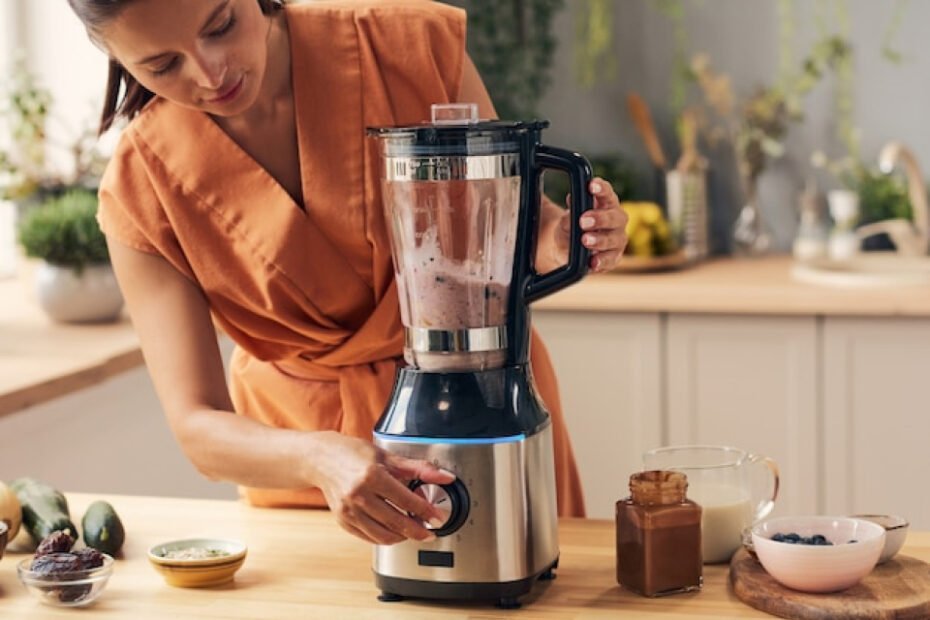
Let’s be real—you just made the smoothie of your dreams, and now you’re staring at that gunky blender like it’s your worst enemy. I get it. Cleaning kitchen appliances is nobody’s idea of fun.
But what if I told you there’s a 30-second hack that’ll have your blender sparkling clean before you can even finish scrolling through Instagram?
Yeah, you heard that right. No scrubbing. No disassembly drama. Just pure cleaning magic that actually works.
Why Your Blender Gets So Gross (And Why You Avoid Cleaning It)
Ever notice how smoothie residue seems to cement itself to every corner of your blender? That’s because fruits, vegetables, and protein powders love to stick around—literally. The longer you wait, the harder it gets to remove.
Most people avoid cleaning their blender because it feels like a chore. You’ve got to unscrew the blade, scrub every crevice, and risk cutting yourself on those sharp edges. Who has time for that? Certainly not me on a Monday morning.
But here’s the thing: delaying the clean-up only makes it worse. That residue becomes a bacteria playground, and nobody wants their next smoothie tasting like last week’s kale experiment. Trust me on this one.
The 30-Second Cleaning Method (It’s Ridiculously Simple)
Ready for the life-changing hack? Here’s what you need:
- Warm water (not boiling, just warm)
- A drop of dish soap
- Your blender and its lid
That’s it. No fancy cleaners. No expensive products. Just three things you already have in your kitchen. FYI, this method works for pretty much any blender type 🙂
Step 1: Fill It Halfway with Warm Water
Right after you pour out your smoothie, fill the blender halfway with warm water. Not cold—warm water helps break down the sticky residue faster. Think of it as giving your blender a quick bath.
Don’t overfill it, though. You need space for the water to move around and create that cleaning tornado we’re about to unleash. Halfway is the sweet spot.
Step 2: Add a Tiny Drop of Dish Soap
One drop. That’s all you need. I’m serious—don’t go overboard here. Too much soap means you’ll be rinsing forever, and that defeats the whole “30 seconds” promise.
The soap acts as a lubricant that helps lift away the gunk. Any regular dish soap works fine. I’ve tried fancy organic ones and cheap dollar-store brands—they all do the job.
Step 3: Blend on High for 10-15 Seconds
Pop the lid on and blend that soapy water on high speed. Watch as your blender essentially cleans itself. The spinning blades create a vortex that scrubs every surface, reaching spots you’d never get to with a sponge.
This is where the magic happens. The combination of warm water, soap, and high-speed rotation creates the perfect cleaning storm. It’s honestly satisfying to watch.
Step 4: Rinse and Done
Pour out the soapy water and give your blender a quick rinse under running water. That’s it. You’re done. The whole process takes about 30 seconds, maybe 40 if you’re being extra thorough.
Pat yourself on the back. You just cleaned your blender faster than it takes to tie your shoes. Now wasn’t that easier than you expected?
When This Method Works Best (And When It Doesn’t)
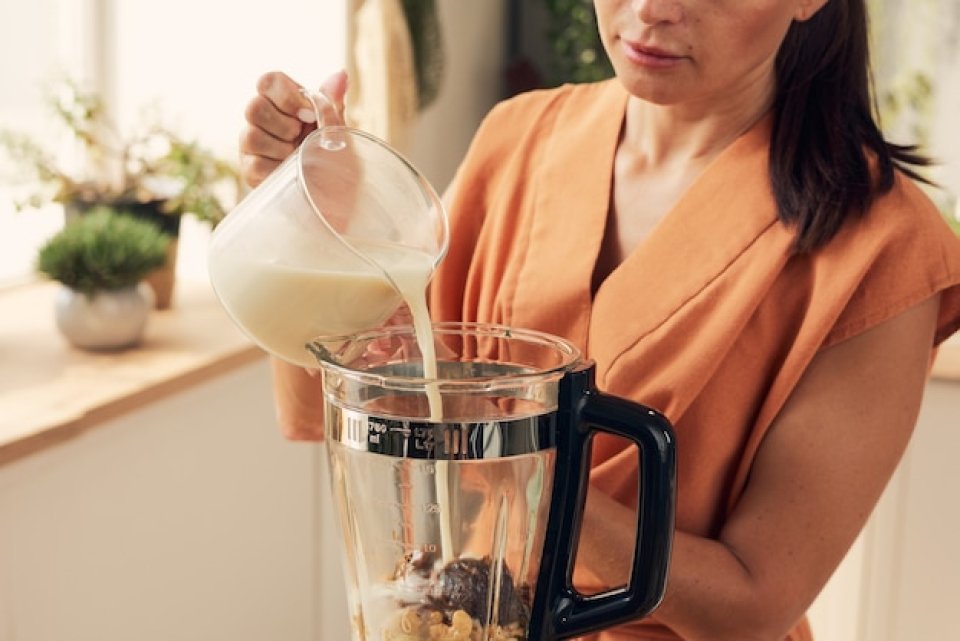
This hack is absolutely perfect for everyday smoothies, protein shakes, and lighter blends. Fresh fruit residue? Gone. Leafy greens? Vanished. Protein powder film? History.
However, let’s be honest—this method has its limits. If you’ve been making nut butters, thick hummus, or anything super sticky and oily, you might need a second round. Sometimes stubborn ingredients need extra attention.
For those tougher jobs, I usually run the blend cycle twice or add a splash of white vinegar to the mix. The acidity helps break down oils and stubborn residue. Works like a charm every time.
Pro Tips to Make Cleaning Even Easier
Want to level up your blender-cleaning game? Here are some tricks I’ve picked up over the years that make the process even smoother.
Clean Immediately After Use
The golden rule of blender maintenance: clean it right away. The longer you wait, the harder everything gets. I know it’s tempting to “do it later,” but future-you will thank present-you for handling it now.
I’ve made the mistake of leaving a blender overnight more times than I care to admit. Spoiler alert: you’ll need a chisel to remove dried-on smoothie residue. Not fun.
Use Hot Water for Stubborn Residue
While warm water works great for regular cleaning, hot water (not boiling) can tackle tougher messes. Just make sure your blender can handle the heat—check your manual if you’re unsure.
Hot water melts away oils and breaks down sticky substances faster. It’s like giving your blender a spa treatment. IMO, this is especially useful after making anything with dates or bananas.
Don’t Forget the Lid
Here’s something most people overlook: the lid gets dirty too. After cleaning the pitcher, quickly rinse the lid and its rubber seal. Gunk loves hiding in those grooves.
I usually hold the lid under running water and give it a quick wipe. Takes five extra seconds but prevents funky smells from developing. You’ll thank me later.
Monthly Deep Clean
Once a month, give your blender a proper deep clean. Unscrew the blade assembly and wash everything separately with hot, soapy water. This prevents buildup and keeps your blender running smoothly.
Check the rubber gasket for any trapped food particles. That little seal is a magnet for grime and bacteria. A quick scrub keeps everything fresh and hygienic.
Common Mistakes People Make (That You Should Avoid)
Let me save you from some blender-cleaning fails I’ve witnessed—and committed myself. These mistakes are surprisingly common and totally avoidable.
Using Too Much Soap
I mentioned this earlier, but it bears repeating: one drop is enough. More soap doesn’t mean cleaner—it means endless rinsing. Plus, soap residue can affect the taste of your next blend.
Nobody wants a smoothie with a hint of lemon-scented dish soap. Been there, tried that, wouldn’t recommend it. Keep it minimal.
Blending Without the Lid
This should be obvious, but accidents happen. Always secure the lid before hitting that blend button. Otherwise, you’re cleaning your kitchen walls instead of just your blender.
I once forgot the lid while demonstrating this method to a friend. Let’s just say we both got an unexpected shower. Learn from my mistakes :/
Using Abrasive Scrubbers
If you do need to manually scrub something, avoid steel wool or harsh scrubbers. They can scratch the plastic pitcher and damage the blade coating. A soft sponge does the job without causing damage.
Scratches create tiny grooves where bacteria can hide. Keep your blender smooth and scratch-free for easier cleaning and better hygiene.
Ignoring the Base
The blender base needs love too. Wipe it down with a damp cloth after each use. Spills and splatters accumulate quickly, and dried-on mess is annoying to remove later.
Never submerge the motorized base in water—that’s a recipe for disaster. Just a quick wipe-down keeps it looking fresh and functioning properly.
Why This Method Actually Works (The Science-ish Explanation)
Ever wondered why this works so well? It’s all about mechanical action combined with soap chemistry. The spinning blades create turbulent water flow that physically dislodges particles.
The soap molecules have a hydrophobic end that grabs onto grease and a hydrophilic end that loves water. When you blend, these molecules surround the gunk and lift it away from surfaces.
The speed matters too. High-speed blending creates enough force to reach every nook and cranny. It’s essentially a mini pressure washer inside your blender. Pretty cool when you think about it.
Environmental Benefits of Quick Cleaning
Here’s a bonus: this method is eco-friendly. You’re using minimal water and barely any soap compared to traditional scrubbing methods. Less waste, less water consumption, less time.
Quick cleaning also means you’re more likely to reuse your blender throughout the day. Multiple smoothies? No problem. Each clean takes half a minute, so there’s no excuse to reach for disposable cups.
Plus, maintaining your blender properly extends its lifespan. You’re preventing wear and tear, which means fewer appliances ending up in landfills. Small habits, big impact.
When to Replace Your Blender
Even with perfect cleaning, blenders don’t last forever. Here are signs it might be time for an upgrade: the motor sounds weird, blades are dull, cracks appear in the pitcher, or it’s just not blending like it used to.
I’ve held onto blenders way past their prime because I convinced myself they were “still working.” But struggling with a weak blender makes every smoothie a frustrating experience. Life’s too short for that.
Invest in a quality blender and maintain it well. A good one should last 5-10 years with proper care. This 30-second cleaning method definitely helps achieve that longevity.
Final Thoughts: Make Your Life Easier
Cleaning doesn’t have to be complicated. This 30-second method has genuinely changed how I use my blender. I’m way more likely to make smoothies now because the cleanup isn’t a hassle anymore.
The key is consistency. Clean right after use, every single time. Make it a habit, and you’ll never face crusty, week-old smoothie residue again. Your kitchen will smell better, your blender will last longer, and you’ll actually enjoy the process.
So next time you finish that delicious blend, don’t run away from the cleanup. Embrace these 30 seconds of low-effort maintenance. Your future self will definitely appreciate it.
Frequently Asked Questions
Can I use this method with cold water instead of warm?
Cold water works, but it’s less effective at breaking down oils and sticky residue. Warm water significantly speeds up the process and ensures better results. If you’re dealing with just water-based smoothies, cold might suffice, but warm is always better for thorough cleaning.
Is it safe to blend soapy water at high speed?
Absolutely! This method is completely safe for your blender. Just make sure you secure the lid properly before blending. The blender is designed to handle liquids at high speeds, and soapy water poses no risk to the motor or blades.
What if my blender still smells bad after cleaning?
Try blending warm water with a tablespoon of white vinegar or baking soda for 15 seconds, then rinse thoroughly. This neutralizes odors effectively. If the smell persists, you might need to disassemble and deep-clean the blade assembly where bacteria can hide in the gasket.
How often should I do a deep clean versus the 30-second clean?
Use the 30-second method after every use for daily maintenance. Do a monthly deep clean where you disassemble the blade assembly and clean all components separately. This prevents buildup and keeps your blender in optimal condition for years.
Can I use this method for glass blender pitchers too?
Yes! This method works perfectly for both plastic and glass blender pitchers. Glass actually cleans even more easily since it doesn’t scratch or stain as readily as plastic. The same warm water and soap combination works beautifully on any blender material.
Meta Description: Learn how to clean a blender in just 30 seconds using warm water and soap. This simple hack saves time, effort, and keeps your blender spotless after every use.