
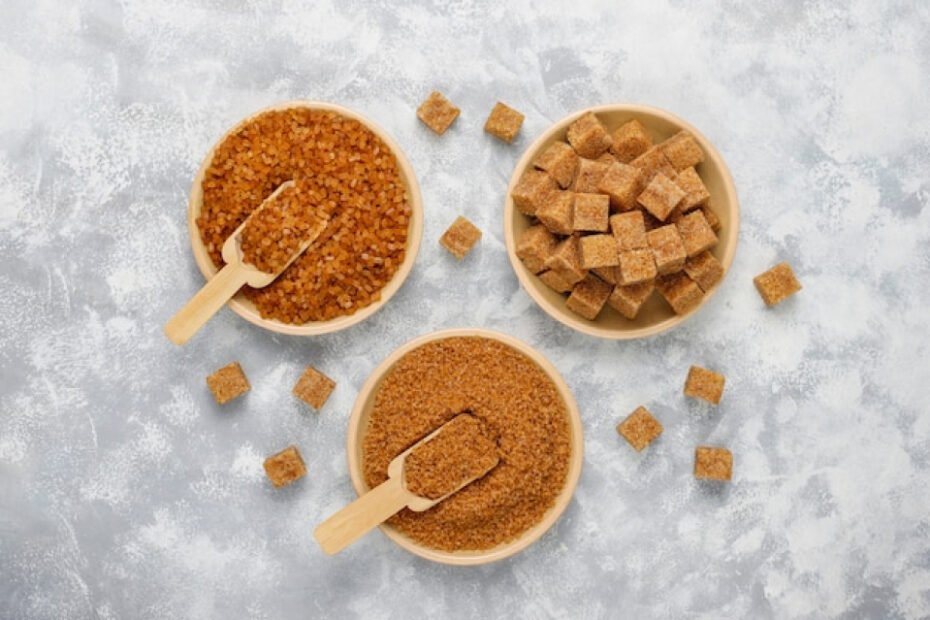
You grab the brown sugar from your pantry, ready to whip up some cookies. But wait—it’s rock solid. You’re practically chiseling away at it like some sort of archaeologist. Sound familiar? I’ve been there, and honestly, it’s the worst.
Here’s the thing: brown sugar doesn’t have to turn into a brick. There’s a stupidly simple trick that’ll keep it soft for months. And no, you don’t need fancy containers or expensive gadgets. Just one item you probably already have sitting in your kitchen.
Why Does Brown Sugar Turn Hard in the First Place?
Brown sugar gets hard because it loses moisture. Unlike white sugar, brown sugar contains molasses, which gives it that rich flavor and color. But molasses also makes it prone to drying out when exposed to air.
When moisture evaporates, the sugar crystals stick together. Before you know it, you’ve got a solid chunk instead of the fluffy stuff you need. It’s basically science working against your baking dreams.
The good news? You can totally prevent this. Once you understand why it happens, keeping brown sugar soft becomes ridiculously easy. Trust me on this one.
The Genius Pantry Hack: Terra Cotta Discs
Ready for the game-changer? Terra cotta sugar savers. These little discs are made from unglazed terra cotta clay. You soak them in water for about 15 minutes, pat them dry, and toss one into your brown sugar container.
The clay slowly releases moisture into the sugar over time. It keeps everything perfectly soft without making it wet or clumpy. I started using these years ago, and I haven’t had a hard sugar situation since.
You can find these discs at any kitchen store or online for just a few bucks. They’re reusable forever—just re-soak them when your sugar starts firming up. IMO, they’re the best investment for any baker’s pantry.
How to Use Terra Cotta Discs Properly
Using these discs is pretty straightforward, but here’s the process:
- Soak the disc in clean water for 10-15 minutes
- Pat it dry with a towel so it’s damp, not dripping
- Place it directly in your brown sugar container
- Replace the lid tightly to seal in moisture
That’s literally it. The disc will keep your sugar soft for about 3-6 months. After that, just re-soak it and you’re good to go again.
Make sure you’re using an airtight container too. The disc works best when moisture can’t escape into the air. Otherwise, you’re fighting a losing battle.
Alternative Hack: The Marshmallow Method
Don’t have terra cotta discs? No worries. Throw a couple of marshmallows into your brown sugar container. I know it sounds weird, but it actually works.
Marshmallows contain moisture and they’ll keep your sugar soft. Just toss in 2-3 large marshmallows and seal the container. They won’t melt or dissolve—they’ll just sit there doing their job.
The downside? Marshmallows eventually dry out themselves, so you’ll need to replace them every few weeks. But if you’re in a pinch, this hack is a lifesaver. FYI, I’ve used this method tons of times.
Other Moisture-Adding Options
If marshmallows aren’t your thing, here are more alternatives:
- A slice of bread: Place a fresh slice in the container overnight
- Apple slices: Add a few pieces of fresh apple
- Orange peel: A small piece works surprisingly well
Each of these adds moisture back into the sugar. The bread method is my second favorite after terra cotta discs. Just make sure you remove the bread after 24 hours, or it’ll get moldy. 🙂
How to Soften Already-Hard Brown Sugar
What if your brown sugar is already hard as a rock? Don’t panic—you can fix it. The fastest method is the microwave trick. Place the hard sugar in a microwave-safe bowl with a damp paper towel on top.
Microwave in 20-second intervals, checking between each round. The steam from the towel will soften the sugar. It usually takes 1-2 minutes total, depending on how hard the sugar is.
You can also use the oven method. Put the hard sugar in an oven-safe dish, cover with foil, and bake at 250°F for about 5 minutes. Check it frequently to prevent melting.
The Overnight Bread Method
For a slower but gentler approach, use the bread technique. Place your hard brown sugar in an airtight container with a slice of fresh bread. Seal it up and leave it overnight.
The sugar will absorb moisture from the bread and soften right up. It’s not instant gratification, but it works without any heat or risk of melting. I’ve saved many bags of sugar this way.
Just remember to remove the bread in the morning. You don’t want surprise science experiments growing in your pantry. Been there, not fun. :/
Why Proper Storage Matters
Here’s the truth: the best hack is prevention. If you store brown sugar correctly from the start, you’ll never deal with hard sugar again. It all comes down to keeping moisture in and air out.
Always transfer brown sugar to an airtight container. Those flimsy paper bags from the store are basically useless against moisture loss. Glass jars, plastic containers with rubber seals, or even heavy-duty zip-top bags work great.
Store your container in a cool, dry place. Avoid areas near the stove or dishwasher where temperature fluctuations happen. Consistency is key for keeping sugar soft and ready to use.
Best Containers for Brown Sugar
Not all containers are created equal. Here’s what works best:
- Glass jars with rubber-sealed lids: Perfect for long-term storage
- OXO Pop containers: Great airtight seal and easy to use
- Plastic storage bins with locking lids: Budget-friendly option
- Freezer-grade zip-top bags: Remove all air before sealing
I personally use a big glass jar with a clamp lid. It sits on my counter, looks cute, and my sugar stays perfect. Functionality meets aesthetics—you love to see it.
Common Mistakes People Make
Ever wonder why your brown sugar keeps hardening despite your best efforts? You might be making these common mistakes. First, people often don’t seal containers properly. Even a tiny gap lets moisture escape.
Another mistake is storing brown sugar in humid environments. The fridge seems logical, but temperature changes when you open and close it cause condensation. This makes sugar clumpy instead of soft.
Also, don’t add moisture-adding items when your sugar is already wet. Too much moisture creates a gooey mess. You want soft and scoopable, not liquid or sticky.
Signs You’re Doing It Wrong
Watch for these red flags:
- Sugar develops white spots (mold growth)
- It becomes sticky or clumpy rather than fluffy
- You notice condensation inside the container
- The sugar has an off smell or taste
If you see any of these, dump the sugar and start fresh. It’s not worth risking your baked goods. Sugar is cheap—food poisoning isn’t.
How Long Does Soft Brown Sugar Last?
With proper storage and moisture management, brown sugar can stay soft for months. I’ve kept mine perfect for over six months using terra cotta discs. Without any moisture savers, expect about 3-4 months before hardening starts.
Brown sugar doesn’t really expire, but it can lose flavor over time. The molasses content gradually decreases, making it taste less rich. For best results, use brown sugar within a year of purchase.
If your sugar starts developing crystals or white patches, it’s time to toss it. These usually indicate moisture problems or contamination. When in doubt, throw it out and grab a fresh bag.
The Science Behind Terra Cotta
Why does terra cotta work so well? The porous clay structure holds water molecules within its microscopic holes. As your sugar dries out, these water molecules slowly migrate from the clay into the sugar.
It’s basically a controlled moisture release system. The clay regulates humidity inside your container without over-saturating the sugar. This creates the perfect environment for maintaining that soft, scoopable texture.
Pretty cool how ancient pottery techniques solve modern kitchen problems, right? Sometimes the old ways are the best ways. No batteries required, no complicated instructions—just simple physics doing its thing.
Why This Hack Beats Expensive Solutions
You might see fancy brown sugar containers online claiming to keep sugar soft forever. Some cost $30 or more. But honestly, a $3 terra cotta disc does the exact same job.
I’ve tried both, and there’s literally no difference. The expensive containers look nice, sure. But if you’re already storing sugar in an airtight container, adding a disc gives identical results.
Save your money for quality vanilla extract or good chocolate chips. Those actually make a difference in your baking. A storage container is just a container—don’t overthink it.
Quick Tips for Bakers
Here are my favorite quick tips for managing brown sugar:
- Buy in smaller quantities if you don’t bake often
- Keep light and dark brown sugar separate to avoid flavor mixing
- Date your containers so you know when you bought it
- Test sugar softness before starting a recipe
These small habits make baking so much smoother. Nothing ruins the mood like discovering hard sugar when you’re ready to bake. A little preparation goes a long way.
Also, if you’re really serious about baking, keep a backup bag. Running out of brown sugar mid-recipe is my personal nightmare. Learn from my mistakes, friends.
My Personal Experience
I discovered the terra cotta hack about five years ago after yet another frustrating baking session. I was making cookies for a holiday party and literally hammered my brown sugar with a meat mallet. Not my finest moment.
Someone at the party mentioned terra cotta discs, and I ordered a set that night. Game changer doesn’t even cover it. My sugar has been perfectly soft ever since. No more chiseling, no more frustration.
Now I keep discs in all my sugar containers—brown sugar, white sugar, even my powdered sugar. They’re foolproof, reusable, and stupid cheap. Honestly one of my best kitchen purchases ever.
Final Thoughts
Keeping brown sugar soft doesn’t require magic or expensive gadgets. A simple terra cotta disc or even marshmallows solve the problem completely. The key is understanding that moisture loss causes hardening, so you just need to maintain humidity.
Combine proper storage with a moisture saver, and you’ll never fight with rock-hard sugar again. Your future baking self will thank you. Trust me, life’s too short for hard brown sugar.
Now go soak that terra cotta disc and enjoy perfectly soft sugar whenever you need it. Happy baking! 🙂
FAQs
Q: How often do I need to re-soak terra cotta discs?
A: Typically every 3-6 months, depending on how dry your climate is and how often you open the container. You’ll notice when your sugar starts firming up—that’s your cue to re-soak the disc.
Q: Can I use terra cotta discs in other dry ingredients?
A: Absolutely! They work great for keeping cookies soft, maintaining moisture in homemade granola, or any dried ingredient that benefits from a little humidity. Just make sure you dedicate separate discs for different uses.
Q: What if my brown sugar is already completely hard?
A: Use the microwave method with a damp paper towel for quick results, or the overnight bread method for a gentler approach. Once softened, add a terra cotta disc or marshmallows to prevent future hardening.
Q: Do marshmallows change the flavor of brown sugar?
A: Not at all. The marshmallows don’t dissolve or mix with the sugar—they just sit there releasing moisture. Your brown sugar will taste exactly the same as always.
Q: Is it safe to store brown sugar at room temperature?
A: Yes, completely safe. Brown sugar should be stored at room temperature in an airtight container. Refrigeration actually causes more problems due to condensation and temperature fluctuations.
Q: Can I freeze brown sugar to keep it soft?
A: You can freeze it, but it’s not necessary and can cause clumping when you thaw it. Room temperature storage with proper moisture management works better and is more convenient for everyday baking.