
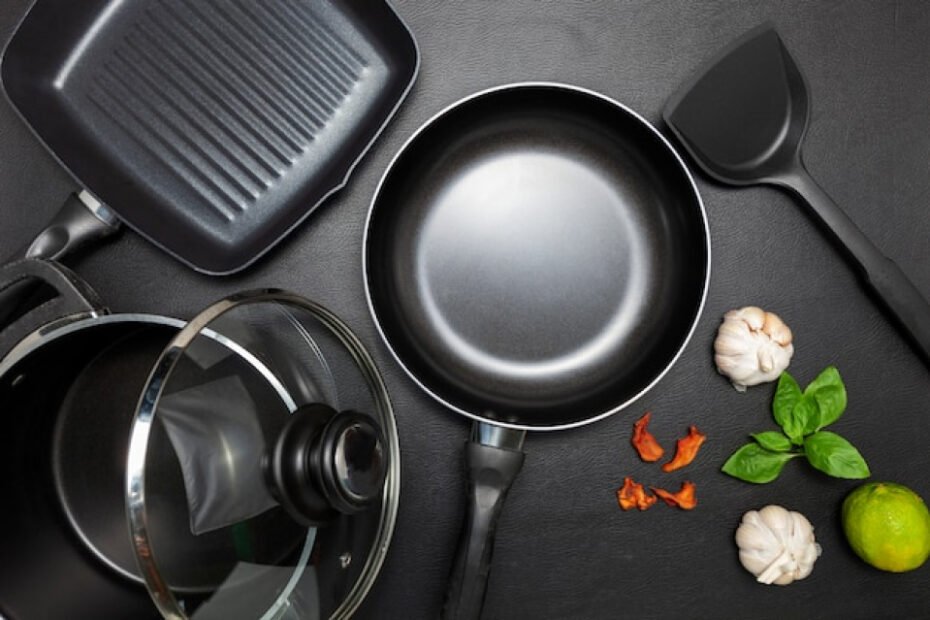
You know that sinking feeling when you look at your once-pristine nonstick pan and see it’s become a sticky, discolored mess? Yeah, I’ve been there too.
The good news? You don’t need fancy cleaners or expensive replacements. There’s one stupidly simple trick that’ll make your pans look brand new again, and I’m spilling all the details.
Why Your Nonstick Pans Look Like Garbage
Let me guess—you’ve been cooking with high heat, right? Or maybe you’ve been using metal utensils like some kind of kitchen rebel. Nonstick coatings are delicate, and they hate being abused. When you crank up the heat or scrape them with the wrong tools, that smooth surface breaks down faster than your New Year’s resolutions.
Here’s what actually ruins your pans:
- Cooking spray buildup that creates a gross, sticky film
- High heat that damages the coating
- Metal utensils that scratch the surface
- Abrasive scouring pads that strip away the nonstick layer
- Dishwasher cycles that are way too harsh
Most people think their pan is done for when it gets sticky. But honestly? That residue is usually just buildup, not permanent damage. And that’s where our miracle trick comes in.
The Game-Changing Trick: Baking Soda Paste
Ready for this revelation? Baking soda and water. That’s it. I know, I know—it sounds too easy to work, right? But this combo is legitimately magic for nonstick pans. I discovered this after nearly tossing a $50 pan in the trash. 🙂
Here’s why it works: Baking soda is mildly abrasive enough to lift stubborn residue but gentle enough not to scratch your pan’s coating. It also neutralizes odors and cuts through grease like a champ. It’s basically the superhero your kitchen didn’t know it needed.
The best part? You probably already have everything you need sitting in your pantry. No special trips to the store, no spending money on products with ingredients you can’t pronounce.
How To Use The Baking Soda Method
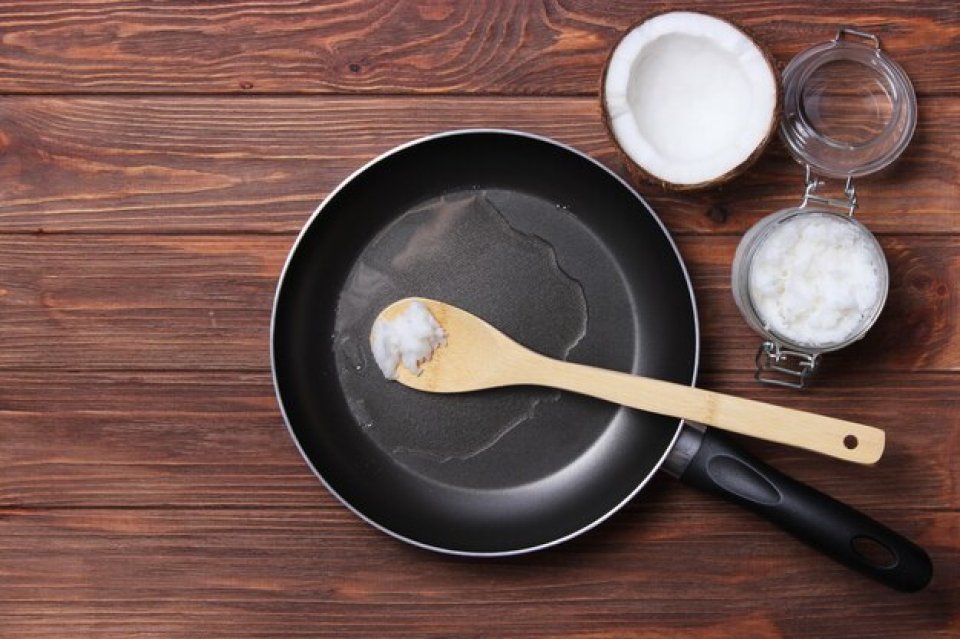
Alright, let’s get practical. Here’s exactly how I clean my nonstick pans, step by step. Trust me, you’ll want to bookmark this.
Step 1: Make Your Paste
Mix two tablespoons of baking soda with just enough water to form a thick paste. You want it spreadable but not runny—think toothpaste consistency. Don’t make it too watery or you’ll lose the scrubbing power.
Step 2: Apply Generously
Spread the paste all over the pan’s interior surface, focusing on the sticky or discolored areas. Make sure you cover everything evenly. Let it sit for about 15-20 minutes. This gives the baking soda time to work its magic and break down all that nasty buildup.
Step 3: Gentle Scrubbing Time
Grab a soft sponge or cloth—nothing abrasive, seriously. Gently scrub the pan in circular motions. You’ll start seeing the gunk lift off almost immediately. It’s weirdly satisfying, IMO. For stubborn spots, add a bit more paste and keep working at it.
Step 4: Rinse And Admire
Rinse the pan thoroughly with warm water. Dry it completely with a soft towel. Now stand back and admire your work. Your pan should look about 10 years younger. If there’s still some residue, just repeat the process.
Prevention Tips To Keep Pans Looking New
Look, cleaning is great and all, but wouldn’t you rather not deal with the mess in the first place? Here’s how I keep my nonstick pans in pristine condition.
Always Use Low To Medium Heat
High heat is the enemy. Nonstick coatings start breaking down around 400°F. There’s literally no reason to crank the heat to maximum. Low to medium heat cooks your food just fine and keeps your pan happy for years.
Most people think higher heat means faster cooking. Wrong. It just means faster pan destruction. Ever wondered why restaurants go through pans so quickly? Heat abuse.
Skip The Cooking Spray
Here’s a controversial take: cooking sprays are terrible for nonstick pans. They create an invisible film that builds up over time, making your pan sticky and gross. Use a small amount of butter or oil instead. It works better and doesn’t leave residue.
I learned this the hard way after ruining two perfectly good pans. Once I ditched the spray, my pans stayed cleaner way longer. FYI, if you must use spray, wipe the pan down after every use.
Choose Your Utensils Wisely
Metal utensils and nonstick pans mix about as well as oil and water. Stick with silicone, wood, or plastic utensils. Protect that coating like it’s your phone screen. One scratch can compromise the entire surface.
I keep a dedicated set of silicone spatulas just for my nonstick cookware. Yeah, it’s an extra expense, but it’s cheaper than replacing pans every six months.
Hand Wash Only
I don’t care what the label says—skip the dishwasher. The harsh detergents and high heat destroy nonstick coatings faster than anything else. Hand washing takes two minutes max. Just use warm soapy water and a soft sponge.
My lazy side hates this rule, but my wallet loves it. Those few extra minutes of washing save me from buying new pans constantly. :/
When To Actually Replace Your Pan
Okay, real talk—sometimes your pan is legitimately dead. If the coating is visibly peeling or flaking, throw it out immediately. You don’t want those chemicals in your food. Seriously, don’t risk it.
Signs you need a new pan:
- Visible flaking or peeling of the nonstick surface
- Deep scratches that expose the metal underneath
- Warped bottom that doesn’t sit flat on the burner
- Food sticks constantly even after proper cleaning
- The pan is over 5 years old with heavy use
If your pan just has buildup or discoloration but the coating is intact? The baking soda trick will save it. But if it’s actually damaged, no amount of cleaning will help.
Alternative Cleaning Methods That Work

The baking soda method is my go-to, but I’ve got backup options too. Sometimes you need different approaches for different problems.
The Vinegar Boil Method
Pour equal parts water and white vinegar into your pan. Bring it to a boil for about 5 minutes. Let it cool, then wash normally. This works great for removing burnt-on food and mineral deposits. The acid breaks down stubborn residue without damaging the coating.
Just make sure you rinse thoroughly afterward. Nobody wants their eggs tasting like salad dressing.
Bar Keeper’s Friend
This powder cleaner is gentle enough for nonstick but tough on stains. Sprinkle a small amount on a damp sponge and gently scrub. It’s particularly good for discoloration. Just don’t go crazy with it—a little goes a long way.
I use this maybe once every few months when my pans need some extra love. It’s like a spa day for cookware.
Salt Scrub For Odors
If your pan has absorbed funky smells, sprinkle coarse salt in the pan with a bit of oil. Scrub gently and rinse. Salt is a natural deodorizer that also provides gentle abrasion. Works like a charm for fish or garlic odors.
Common Mistakes People Make
Let me save you from the mistakes I’ve made over the years. These are the things that’ll wreck your pans faster than you can say “order takeout.”
Never use steel wool or abrasive pads. I don’t care how stuck-on that food is. You’ll strip the coating and ruin your pan. Soak it instead and use the baking soda method. Patience beats destruction every time.
Don’t stack pans without protection. Put a paper towel or cloth between stacked pans. Otherwise, they’ll scratch each other. I learned this after destroying the bottom of one pan by stacking another on top of it.
Never put a hot pan in cold water. The temperature shock can warp your pan permanently. Let it cool down first. I know waiting sucks, but warped pans cook unevenly and are basically useless.
Why This Matters More Than You Think
Look, good nonstick pans aren’t cheap. A decent one costs anywhere from $30 to $100+. Learning to maintain them properly saves you serious money over time. Plus, constantly buying new pans is wasteful and bad for the environment.
I used to go through 2-3 pans a year because I didn’t know how to care for them. Now? My pans last 3-4 years minimum. That’s hundreds of dollars saved and way less waste in landfills.
Beyond the money, there’s something satisfying about keeping your cookware in great shape. It makes cooking more enjoyable when your tools actually work properly. Clean pans mean better cooking results and less frustration in the kitchen.
The Bottom Line
Keeping your nonstick pans looking brand new doesn’t require magic or expensive products. The baking soda paste method works incredibly well for removing buildup and restoring that smooth surface. Combine this trick with smart prevention habits, and your pans will last for years.
Remember: low heat, proper utensils, hand washing, and regular cleaning with baking soda. That’s literally all you need. Stop overthinking it and start doing it. Your pans (and your wallet) will thank you.
Now go rescue those sad, sticky pans hiding in your cabinet. They deserve a second chance. And honestly? So does your breakfast. Nobody should have to eat eggs that stick to the pan. 🙂
Frequently Asked Questions
Q: How often should I deep clean my nonstick pans with baking soda?
Use the baking soda method whenever you notice buildup or discoloration, typically once a month with regular use. For pans you use daily, you might need to do this every 2-3 weeks. Listen to your pan—if food starts sticking more than usual, it’s time for a deep clean.
Q: Can I use baking soda on ceramic nonstick pans?
Absolutely! Baking soda works great on ceramic nonstick coatings too. The process is exactly the same. Just make sure you’re still using soft sponges and gentle pressure to avoid any potential scratching.
Q: Is it safe to cook on a scratched nonstick pan?
Light scratches are generally okay, but deep scratches that expose the metal underneath mean it’s time to replace the pan. If you see the coating peeling or flaking, stop using it immediately to avoid ingesting any coating particles.
Q: Why does my nonstick pan get sticky even when I’m careful?
The most common culprit is cooking spray buildup, which creates an invisible layer that attracts grime. High heat can also cause oils to polymerize and create a sticky residue. Switch to butter or regular oil and keep your heat lower.
Q: Can I restore the nonstick coating once it’s worn off?
Unfortunately, no. Once the nonstick coating is damaged or worn away, you can’t restore it. You can clean buildup and residue, but actual coating damage is permanent. This is why prevention and proper care are so important from day one.