
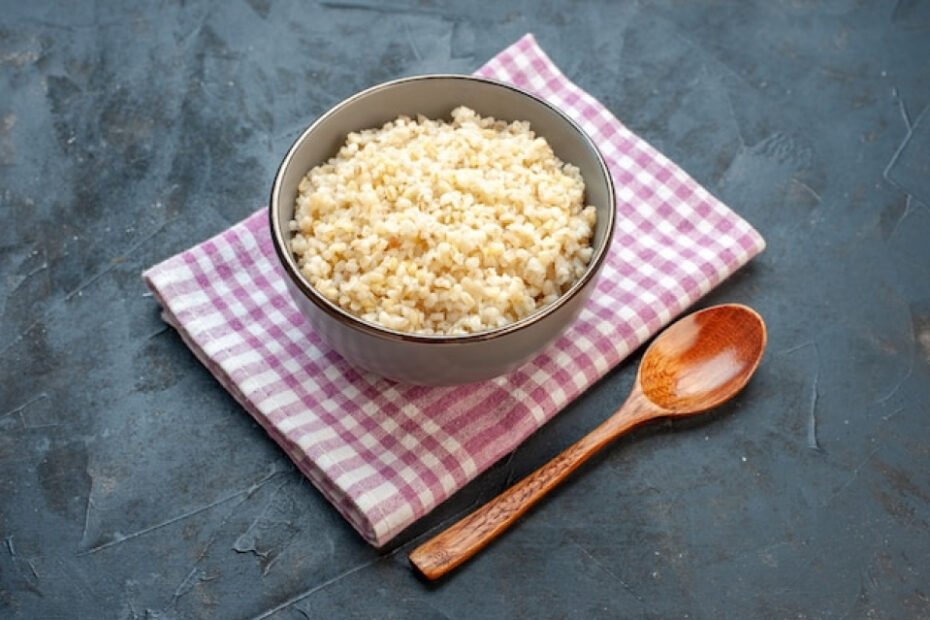
Look, I’ve messed up rice more times than I’d like to admit. Mushy, sticky, burnt—you name it, I’ve served it. But here’s the thing: making fluffy rice isn’t rocket science. You just need to know a few tricks, and honestly, once you get them down, you’ll never look back.
Why Your Rice Keeps Turning Out Wrong
Ever wonder why your rice turns into a clumpy mess? Most people blame themselves, but here’s the truth: it’s usually about the water ratio or the heat. Too much water makes rice soggy. Too little turns it crunchy. And don’t even get me started on lifting that lid mid-cook. That’s basically sabotage.
The other culprit? Not rinsing your rice. I know, I know—it feels like extra work. But rinsing removes excess starch, and that starch is what makes rice stick together like glue. Trust me, those two minutes of rinsing will save your dinner.
The Golden Water-to-Rice Ratio
Here’s where people get confused. The ratio changes depending on what type of rice you’re cooking. For most white rice varieties, you want a 1:1.5 ratio (one cup rice to one and a half cups water). For brown rice, bump it up to 1:2 or even 1:2.5.
Long-grain rice like basmati or jasmine? Stick with 1:1.5. Short-grain rice like sushi rice needs closer to 1:1.25. IMO, the easiest way to remember this is: the longer the grain, the more water it needs. Simple, right?
Quick Reference Guide
- White long-grain rice: 1 cup rice to 1.5 cups water
- Basmati or jasmine rice: 1 cup rice to 1.5 cups water
- Brown rice: 1 cup rice to 2–2.5 cups water
- Short-grain/sushi rice: 1 cup rice to 1.25 cups water
Step One: Rinse Like Your Dinner Depends On It
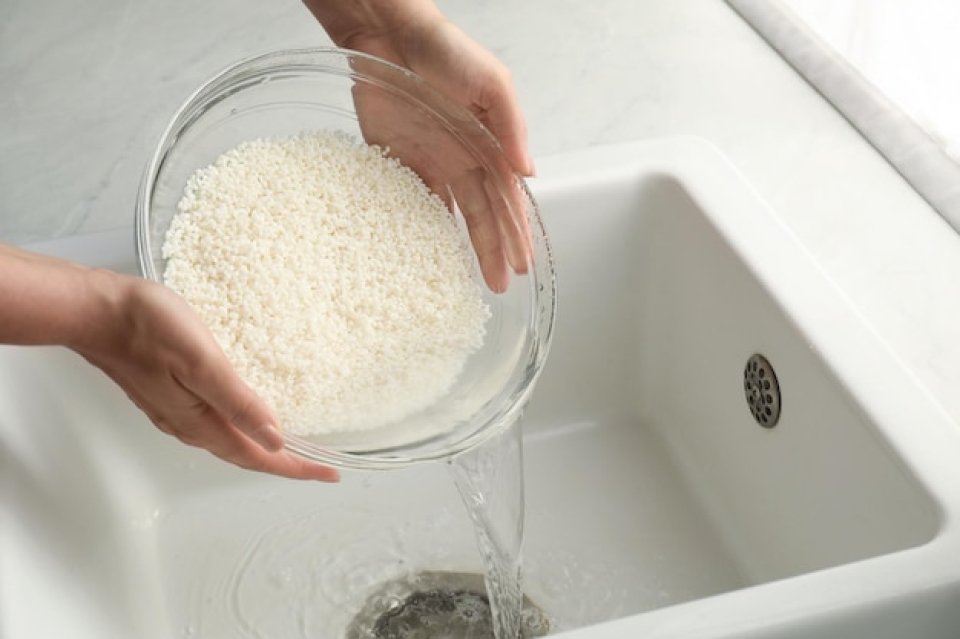
Seriously, rinse your rice. Put it in a fine-mesh strainer or a bowl and run cold water over it. Swish it around with your hands until the water runs clear. This usually takes about 2-3 minutes. Yeah, it’s a bit tedious, but this step is non-negotiable if you want fluffy rice.
Rinsing removes surface starch that causes clumping. I learned this the hard way after serving gummy rice to guests one too many times :/ Now I never skip it, and neither should you.
Step Two: Get Your Pot Ready
Use a pot with a tight-fitting lid. This is crucial because steam needs to stay trapped inside. I prefer a heavy-bottomed pot because it distributes heat evenly, but honestly, any pot with a good lid works fine.
Add your rinsed rice and the appropriate amount of water. Don’t add salt yet—some people swear it affects texture. You can season after cooking. Just get that water-to-rice ratio right, and you’re halfway there.
Step Three: The Heat Game
Bring the water to a full boil over high heat. Once it’s boiling, immediately reduce the heat to the lowest setting. Cover the pot with that tight-fitting lid. Now comes the hard part: leave it alone.
Do not lift the lid and Do not peek. Do not “check if it’s done.” Every time you lift that lid, steam escapes, and your rice pays the price. Set a timer and walk away. For white rice, that’s 15-18 minutes. For brown rice, you’re looking at 40-45 minutes.
Timing Breakdown
- White rice: 15-18 minutes on low heat
- Basmati/jasmine: 15 minutes on low heat
- Brown rice: 40-45 minutes on low heat
- Short-grain rice: 18-20 minutes on low heat
Step Four: The Resting Period
When your timer goes off, turn off the heat but keep the lid on. Let the rice sit for another 10 minutes. This resting time lets the rice finish steaming and helps moisture distribute evenly throughout the pot. It’s like letting meat rest after cooking—totally necessary.
I know you’re hungry. I get it. But those 10 minutes make the difference between good rice and great rice. Use that time to finish your other dishes or set the table.
Step Five: Fluff It Up
After resting, remove the lid and grab a fork. Gently fluff the rice by running the fork through it, breaking up any clumps. Don’t stir aggressively—you’re not making fried rice here. Just gentle, separating motions work best.
This fluffing step aerates the rice and prevents clumping. You’ll notice the grains separate beautifully if you’ve followed all the previous steps correctly. It’s honestly satisfying to watch.
Common Mistakes That Ruin Rice
Let me save you some heartbreak. Here are the mistakes I’ve made (so you don’t have to):
Using too much heat: Low and slow wins this race. High heat burns the bottom while leaving the top undercooked.
Lifting the lid: I mentioned this already, but it bears repeating. Keep. That. Lid. Closed.
Skipping the rinse: You’ll get sticky, gummy rice every time. Just rinse it, okay?
Wrong pot size: Use a pot that gives your rice room to expand. Cramming too much rice in a small pot leads to uneven cooking.
Stirring during cooking: Don’t do it. Stirring releases starch and makes rice mushy.
Pro Tips for Next-Level Rice
Want to elevate your rice game? Try these tricks:
Add a small pat of butter or a drizzle of oil to the water before cooking. This adds flavor and helps keep grains separate. FYI, this works especially well with basmati rice.
Toast your rice before adding water. Heat some oil in the pot, add rinsed rice, and stir for 2-3 minutes until fragrant. Then add water and proceed normally. The toasting adds a nutty flavor that’s absolutely delicious.
Cook rice in broth instead of water. Chicken, vegetable, or beef broth adds incredible depth. Just remember to adjust salt accordingly since broth is already seasoned.
Throw in aromatics like a bay leaf, garlic clove, or cinnamon stick while cooking. Remove them before serving. These subtle flavors make plain rice taste restaurant-quality.
Troubleshooting Sticky or Mushy Rice
Already cooked your rice and it’s a disaster? Here’s what you can do:
For mushy rice, spread it on a baking sheet and let it air out for 10-15 minutes. Some moisture will evaporate. Not perfect, but it helps.
For undercooked rice, add 2-3 tablespoons of water, cover, and cook for another 5 minutes on low heat. Check and repeat if needed.
For burnt rice, don’t stir it. Just serve from the top. Stirring will mix the burnt flavor throughout. Nobody needs to know what happened at the bottom 🙂
Storage and Reheating Tips
Leftover rice is great for fried rice or grain bowls. Store it in an airtight container in the fridge for up to 4 days. Don’t leave cooked rice at room temperature for more than an hour—food safety matters.
To reheat, add a splash of water and microwave covered for 1-2 minutes. The water creates steam that revives the rice. You can also reheat in a covered pan on the stove with a bit of water or oil.
Different Rice, Different Rules
Not all rice is created equal. Jasmine rice is fragrant and slightly sticky, perfect for Asian dishes. Basmati is long and aromatic, ideal for Indian cuisine. Brown rice has a chewier texture and nuttier flavor because it retains the bran layer.
Match your rice to your dish. Sticky short-grain rice is perfect for sushi but terrible for pilaf. Long-grain rice is great for side dishes but won’t hold together for rice balls. Knowing these differences helps you choose wisely.
The Equipment That Actually Matters
You don’t need fancy gadgets, but a few things help. A heavy-bottomed pot prevents burning and distributes heat evenly. A tight-fitting lid is non-negotiable. A fine-mesh strainer makes rinsing easier.
Rice cookers are great if you make rice often. They take the guesswork out completely. But honestly, a regular pot works just fine once you master the technique. Don’t feel pressured to buy special equipment.
Why Practice Makes Perfect
Look, your first few batches might not be Instagram-worthy. That’s okay. Cooking is about experimentation and learning your stove’s quirks. My gas stove cooks differently than my friend’s electric one. Your low heat might differ from mine.
The more you cook rice, the better your intuition becomes. You’ll start recognizing when the water ratio is right just by looking at it. You’ll hear when the boil is perfect. This stuff becomes second nature with repetition.
Final Thoughts
Making fluffy rice every time isn’t about luck or magic. It’s about following a few simple steps consistently: rinse thoroughly, use the right water ratio, keep that lid closed, and let it rest. That’s literally it. You’ve got this.
Next time you’re standing over a pot of rice, remember these tips. Start with the basics, experiment with flavors, and don’t beat yourself up over the occasional mishap. Even professional chefs burn rice sometimes. The difference is they just make another batch and move on.
Now go make some rice. Your perfectly fluffy, non-sticky, absolutely delicious rice awaits. And hey, once you nail this, you’ll never order takeout just for the rice again. Trust me on that one.
Frequently Asked Questions
Why is my rice always sticky and clumpy?
You’re probably skipping the rinse step. Excess starch on rice grains causes them to stick together. Rinse your rice under cold water for 2-3 minutes until the water runs clear. Also check your water ratio—too much water makes rice mushy and sticky.
Can I cook rice without a lid?
Nope, don’t even try it. The lid traps steam inside, which is essential for cooking rice properly. Without a lid, moisture escapes and your rice will be undercooked and dry. A tight-fitting lid is absolutely necessary for fluffy rice.
How do I know when my rice is done?
Don’t lift the lid to check! Set a timer for 15-18 minutes for white rice or 40-45 minutes for brown rice. When time’s up, the water should be absorbed. Let it rest covered for 10 minutes, then fluff with a fork.
Should I rinse rice before or after cooking?
Always before cooking, never after. Rinsing before removes surface starch that causes clumping. Rinsing after would wash away nutrients and make your rice waterlogged and mushy. Cold water rinse before cooking is the way to go.
What’s the difference between jasmine and basmati rice?
Jasmine rice is slightly sticky with a subtle floral aroma, perfect for Asian dishes. Basmati is longer, fluffier, and has a nutty flavor—ideal for Indian cuisine. Both use a 1:1.5 water ratio, but they taste and look different once cooked.
Can I add salt while cooking rice?
You can, but I prefer adding it after. Some people say salt affects the texture and cooking time. If you want to add it during cooking, use about 1/4 teaspoon per cup of rice. Better yet, season after cooking for more control.