
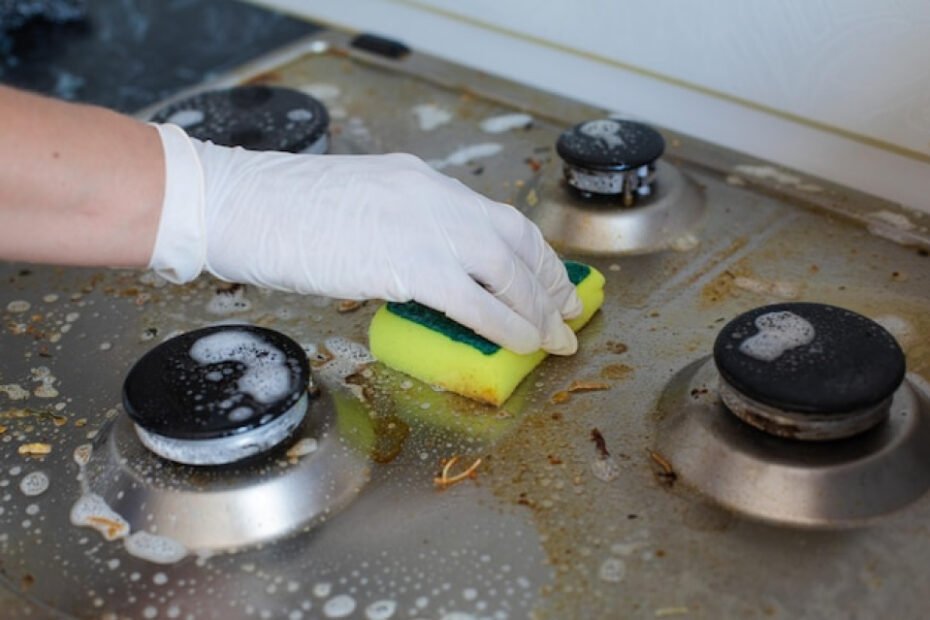
You know that greasy mess on your stovetop that mocks you every single day? Yeah, I’ve been there too. The good news? You don’t need toxic chemicals to kick grease to the curb. Your kitchen already has everything you need.
Why Ditch the Harsh Chemicals?
Let’s be real—those heavy-duty degreasers work, but at what cost? They smell terrible, irritate your skin, and probably aren’t doing your lungs any favors. Plus, they’re expensive. Why spend money on stuff that requires rubber gloves and a hazmat suit?
Natural alternatives are safer, cheaper, and actually work. I switched to natural cleaning methods last year, and honestly, my kitchen has never looked better. No more headaches from chemical fumes, and my wallet is definitely happier.
Ever notice how commercial cleaners make you cough? That’s your body telling you something’s not right. Natural ingredients don’t come with those nasty side effects, and they’re way better for the environment too.
The Power Players: Natural Grease Fighters
Baking Soda
This white powder is seriously underrated. Baking soda is mildly abrasive and alkaline, making it perfect for breaking down greasy gunk. I keep a box near my stove at all times—it’s that essential.
You can use it as a paste or sprinkle it directly on surfaces. Mix it with a little water, and you’ve got yourself a powerhouse scrub. It works on everything from oven racks to countertops.
White Vinegar
Vinegar might smell like pickles, but hear me out. The acetic acid cuts through grease like nobody’s business. I pair it with baking soda for really stubborn messes, and the fizzing action does half the work for me.
Pro tip: Heat your vinegar in the microwave for 30 seconds before using it. Warm vinegar is even more effective at dissolving grease. Just don’t heat it for too long, or your microwave will smell interesting 🙂
Dish Soap (The Good Stuff)
Not all dish soaps are created equal, FYI. Look for plant-based formulas that actually break down grease without synthetic chemicals. Dawn and similar brands work great because they’re designed to cut through oil.
A tiny drop goes a long way. Seriously, you only need a pea-sized amount mixed with hot water. I’ve seen people dump half a bottle, and that’s just wasteful.
Lemon Juice
Fresh lemon juice isn’t just for your water. The citric acid naturally dissolves grease, plus it leaves everything smelling amazing. I squeeze fresh lemons when I have them, but bottled works too.
Lemon also has antibacterial properties, so you’re cleaning and disinfecting at the same time. Talk about multitasking! It’s especially great for cutting boards and kitchen surfaces.
My Go-To Grease-Busting Methods
The Classic Baking Soda Paste
Mix three parts baking soda with one part water. You want a thick paste that sticks to surfaces. Spread it over the greasy area and let it sit for 15-20 minutes.
The waiting game is crucial—don’t rush it. The paste needs time to break down the grease. After waiting, scrub with a damp cloth or sponge. Rinse with warm water, and you’re done.
This method works wonders on stovetops, oven doors, and range hoods. I use it weekly, and my surfaces stay pretty much grease-free.
The Vinegar Spray Attack
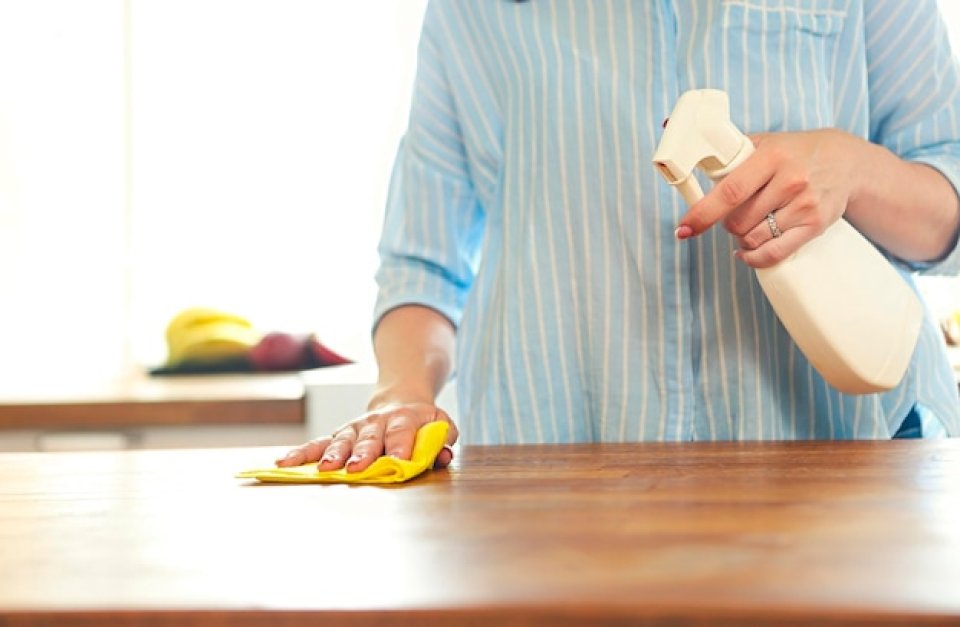
Fill a spray bottle with equal parts white vinegar and water. Spray directly on greasy surfaces and let it sit for 5-10 minutes. Wipe clean with a microfiber cloth.
For really stubborn grease, skip the water and use straight vinegar. Just make sure you’ve got good ventilation because the smell can be intense. Open a window, trust me on this one.
I keep a vinegar spray bottle under my sink at all times. It’s my first line of defense against kitchen grease, and it never lets me down.
The Dynamic Duo: Baking Soda + Vinegar
This combination creates a fizzing reaction that loosens even the toughest grease. Sprinkle baking soda on the greasy surface first. Then spray or pour vinegar over it and watch the magic happen.
Let it fizz for a few minutes, then scrub away. The chemical reaction does most of the hard work for you. It’s like a science experiment that actually cleans your kitchen!
This combo is my secret weapon for oven racks and baking sheets. Nothing else gets them as clean, IMO.
Hot Water + Dish Soap Soak
Sometimes simple is best. Fill your sink with hot water and add a squirt of dish soap. Submerge greasy items and let them soak for 30 minutes to an hour.
The hot water softens the grease while the soap breaks it down. After soaking, most grime wipes away with minimal scrubbing. This works great for pots, pans, and removable stove parts.
I do this while I’m watching TV or doing other chores. Why scrub yourself to death when you can let time and temperature do the work?
The Lemon + Salt Scrub
Cut a lemon in half and dip it in coarse salt. Use it to scrub greasy surfaces directly. The salt acts as an abrasive while the lemon juice dissolves the grease.
This method smells incredible and works surprisingly well. I use it on cutting boards and countertops mostly. It’s gentle enough not to scratch but tough enough to clean.
Plus, your kitchen smells like a spa afterward. Bonus points for that fresh citrus scent!
Tackling Specific Greasy Nightmares
Stovetops and Range Hoods
These catch more grease than anything else in your kitchen. For stovetops, I remove the grates and soak them in hot soapy water. Then I spray the surface with vinegar and wipe it down.
Range hoods need the baking soda paste treatment. Apply it generously, let it sit, then scrub. You might need to repeat this process if you’ve neglected it for a while (no judgment here).
Clean these areas weekly to prevent buildup. Once grease hardens, it becomes ten times harder to remove. Trust me, I learned this the hard way.
Oven Interiors
Mix baking soda with water to create a spreadable paste. Coat the entire oven interior, avoiding the heating elements. Let it sit overnight for best results.
The next morning, spray everything with vinegar. It’ll foam up impressively. Wipe everything out with a damp cloth, and your oven will look brand new.
This takes patience, but it beats those toxic oven cleaners any day. Plus, you can actually breathe while cleaning your oven. Revolutionary, right?
Greasy Backsplashes and Walls
Cooking splatter gets everywhere. Mix dish soap with warm water in a spray bottle. Spray the affected areas and wipe down with a microfiant cloth.
For stubborn spots, try the vinegar spray method. The acidity cuts through the grease without damaging paint or tile. Just test a small area first to be safe.
I do a quick wipe-down after cooking anything greasy. Prevents buildup and keeps my kitchen looking fresh. Takes two minutes, tops.
Grimy Cabinet Fronts
Kitchen cabinets collect grease over time, especially near the stove. Mix equal parts vinegar and water, then add a drop of dish soap. Spray and wipe with a soft cloth.
For wood cabinets, be gentle and don’t oversaturate. Too much moisture can damage the finish. Use a barely damp cloth and dry immediately afterward.
This is one of those cleaning tasks people forget about. But greasy cabinets make your whole kitchen look dingy, so don’t skip them!
Pro Tips from My Experience
Always test new cleaning methods on a small, hidden area first. Different surfaces react differently, and you don’t want to ruin anything. I learned this after slightly discoloring a countertop corner. Oops :/
Use microfiber cloths instead of paper towels. They’re more absorbent, reusable, and actually trap grease better. I bought a pack of 20 on Amazon for like ten bucks, and they’ve lasted me over a year.
Hot water is your best friend. The warmer your water and cleaning solutions, the easier grease dissolves. I sometimes heat my spray bottles under hot tap water before using them.
Work from top to bottom when cleaning. Grease drips down, so you don’t want to clean lower surfaces first only to dirty them again. Start with range hoods and work your way down to countertops.
Don’t forget about your cleaning tools! Sponges and cloths can harbor grease and bacteria. I wash mine weekly with hot water and vinegar to keep them fresh.
Prevention: Your New Best Friend
Honestly, the best way to deal with grease is preventing buildup in the first place. Wipe down surfaces immediately after cooking while the grease is still warm. Takes 30 seconds and saves you hours later.
Use splatter screens when frying. They’re cheap, effective, and catch most of the grease before it hits your stove. I got mine for five bucks, and it’s paid for itself a thousand times over.
Turn on your range hood fan every time you cook. It sucks up grease-laden air before it settles on surfaces. If you don’t have a range hood, crack a window instead.
The Bottom Line
You really don’t need harsh chemicals to fight grease. Baking soda, vinegar, dish soap, and lemon are all you need for a sparkling clean kitchen. They’re safer, cheaper, and they actually work.
I’ve saved hundreds of dollars since switching to natural cleaners. Plus, I don’t worry about my pets or kids getting into toxic cleaning products anymore. That peace of mind is priceless.
Give these methods a try. Start with one or two and see how they work for you. Once you realize how effective they are, you’ll never go back to those chemical-filled bottles. Your kitchen (and your lungs) will thank you!
FAQs
Q: How long does it take for natural cleaners to work on stubborn grease?
A: Most natural methods need 10-20 minutes of sitting time. For really tough grease, let baking soda paste sit overnight. Patience is key, but the results are worth it.
Q: Can I use these methods on stainless steel appliances?
A: Absolutely! Baking soda and vinegar work great on stainless steel. Just wipe in the direction of the grain and dry immediately to prevent water spots.
Q: Will vinegar damage my countertops?
A: Diluted vinegar is safe for most surfaces. However, avoid using it on natural stone like marble or granite. Test a small area first if you’re unsure.
Q: How often should I deep clean my kitchen to prevent grease buildup?
A: I do a deep clean every two weeks. But if you wipe surfaces daily after cooking, you’ll need deep cleaning less often. Prevention is seriously your friend here.
Q: Are store-bought “natural” cleaners worth it, or should I make my own?
A: Homemade solutions are cheaper and just as effective. Store-bought natural cleaners work too, but you’re paying for convenience. I prefer making my own and saving cash.