
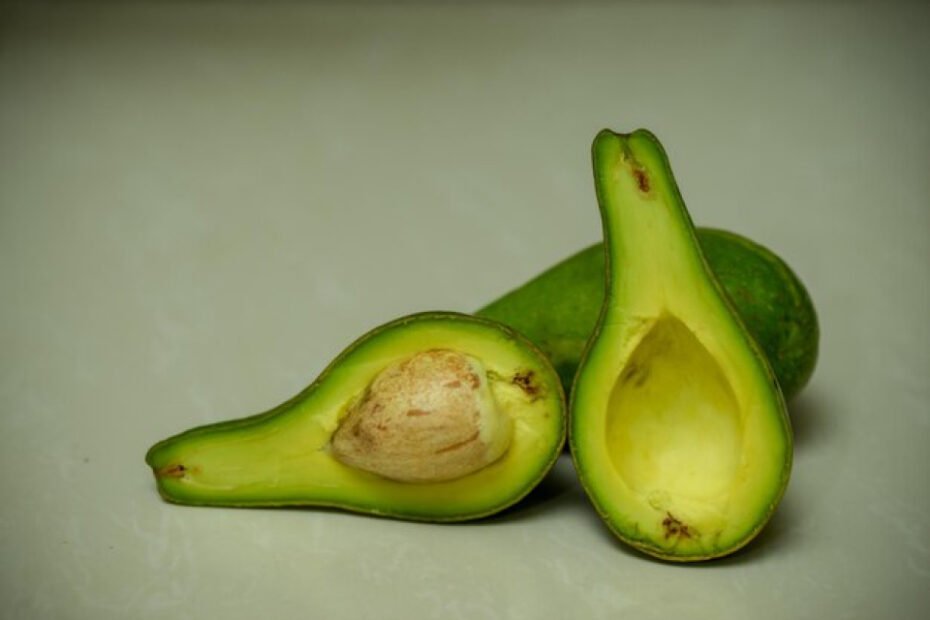
You bought avocados yesterday, and they’re still rock-hard. Your dinner plans? Totally ruined. We’ve all been there, staring at stubborn avocados that refuse to cooperate. But here’s the good news: you don’t have to wait forever for perfectly creamy guacamole.
I’ve spent years perfecting the art of avocado ripening, and trust me, these tricks actually work. Let’s get those green beauties ready for your toast, shall we?
Why Are Your Avocados Taking Forever?
Avocados ripen through a natural process involving ethylene gas. This hormone triggers the softening process, breaking down the fruit’s starches into sugars. Pretty cool science, right?
The problem? Store-bought avocados are often picked super early. They need time to catch up, and Mother Nature doesn’t always work on our schedule. Temperature, storage conditions, and even the variety affect ripening speed.
Room temperature is your avocado’s best friend. Cold temps basically put them in hibernation mode. Ever left avocados in the fridge? Yeah, they’ll stay hard for weeks. Not helpful when you’re craving guac tonight 🙂
The Paper Bag Method (The Classic)
This technique is probably the most famous, and honestly? It works like magic. Grab a brown paper bag and toss your avocados inside. The bag traps ethylene gas around the fruit, speeding up the process significantly.
How to do it:
- Place 1-3 avocados in a brown paper bag
- Fold the top loosely to close it
- Leave at room temperature (not in sunlight)
- Check daily for ripeness
Your avocados should ripen in 1-2 days using this method. That’s way faster than leaving them on your counter, which can take 4-5 days. The concentrated ethylene does all the heavy lifting here.
Pro tip: Don’t seal the bag completely. Your avocados need some air circulation, or they might develop weird off-flavors. Nobody wants funky-tasting guacamole, trust me.
Add a Banana or Apple (Turbo Mode)
Want to speed things up even more? Throw a banana or apple into that paper bag. These fruits produce tons of ethylene gas naturally. It’s like giving your avocados a ripening boost.
I’ve tested this method dozens of times, and it’s genuinely impressive. What normally takes two days can happen overnight. Bananas work better than apples, IMO, because they release more ethylene as they ripen.
Here’s the setup:
- One brown paper bag
- Your hard avocados
- One ripe banana or apple
- Room temperature storage
Check your avocados after 12-24 hours. The difference is wild. This method has saved my meal prep more times than I can count. Just don’t forget about them, or you’ll end up with overripe mush.
The Oven Method (For Desperate Times)
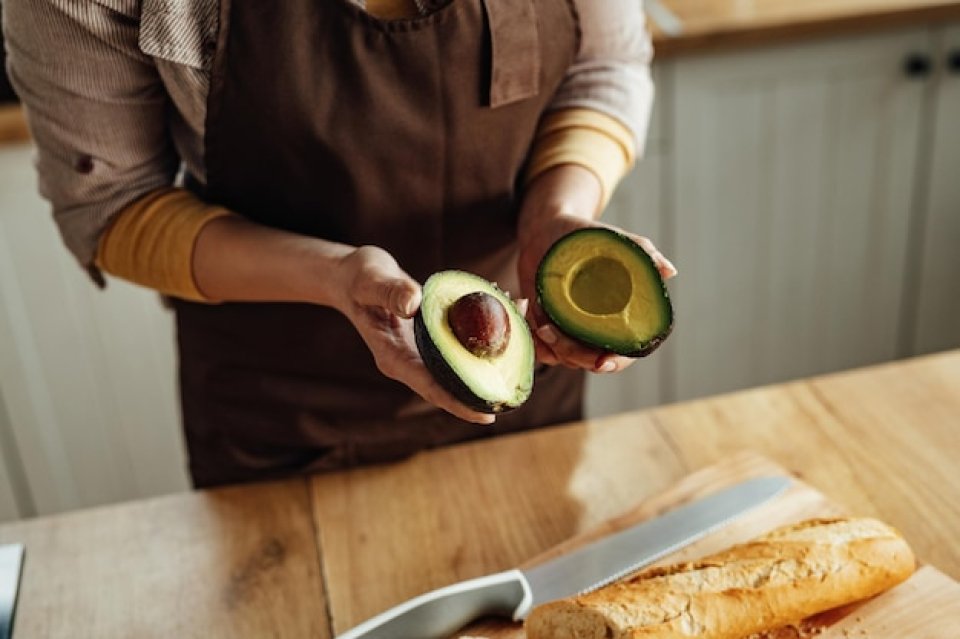
Okay, let’s be real—this method doesn’t truly ripen avocados. It softens them artificially through heat. The texture won’t be quite the same, but when you need soft avocados RIGHT NOW, it’s your emergency option.
Steps:
- Preheat your oven to 200°F (95°C)
- Wrap each avocado in aluminum foil
- Place on a baking sheet
- Bake for 10-15 minutes
- Let them cool completely
The heat softens the flesh, but you lose some of that buttery, rich flavor. The texture becomes slightly mushier too. Use this method only when you’re truly desperate or making cooked dishes where texture matters less.
FYI: This works better for recipes like baked goods or smoothies. For guacamole or avocado toast? You’ll definitely notice the difference. But hey, soft avocado is better than no avocado, right?
The Rice Method (The Patient Approach)
Burying avocados in uncooked rice sounds weird, but it actually works. Rice traps ethylene gas similar to the paper bag method. Plus, it provides cushioning and maintains consistent temperature around the fruit.
Fill a container with uncooked rice and nestle your avocados inside. Cover them completely with rice and seal the container. Leave it at room temperature for 1-2 days.
This method is gentler than others. Your avocados ripen evenly without developing soft spots. The rice creates a little ripening chamber, essentially. I’ve used this when my avocados had minor bruises—the rice protects them while they soften.
The Microwave Method (Use With Extreme Caution)
Alright, full transparency here: I’m not a huge fan of this method. It’s super quick but compromises flavor and texture significantly. However, some people swear by it for emergency situations.
The process:
- Pierce your avocado several times with a fork
- Wrap it in microwave-safe plastic wrap
- Microwave for 30-second intervals
- Check and repeat until soft
The microwave essentially cooks your avocado slightly. The flavor becomes bland, and the texture turns watery. It’s edible but disappointing if you’re expecting that rich, creamy avocado goodness we all love.
When would I use this? Maybe if I’m making avocado baby food or mixing it into something heavily seasoned. For anything where avocado is the star? Skip this method entirely.
The Windowsill Trick (Sunshine Power)
Sunlight accelerates ripening by warming the fruit naturally. Place your avocados on a sunny windowsill during the day. The gentle warmth triggers faster ethylene production without cooking the fruit.
This method takes 2-3 days typically. It’s slower than the paper bag trick but requires zero effort. Just set them down and forget about them. Check daily though—windowsills can get surprisingly warm.
Important: Don’t leave them in direct, intense sunlight all day. Too much heat creates uneven ripening and potential spoilage. A few hours of morning or afternoon sun is perfect. Evening sun works great too.
How to Tell When Avocados Are Ready
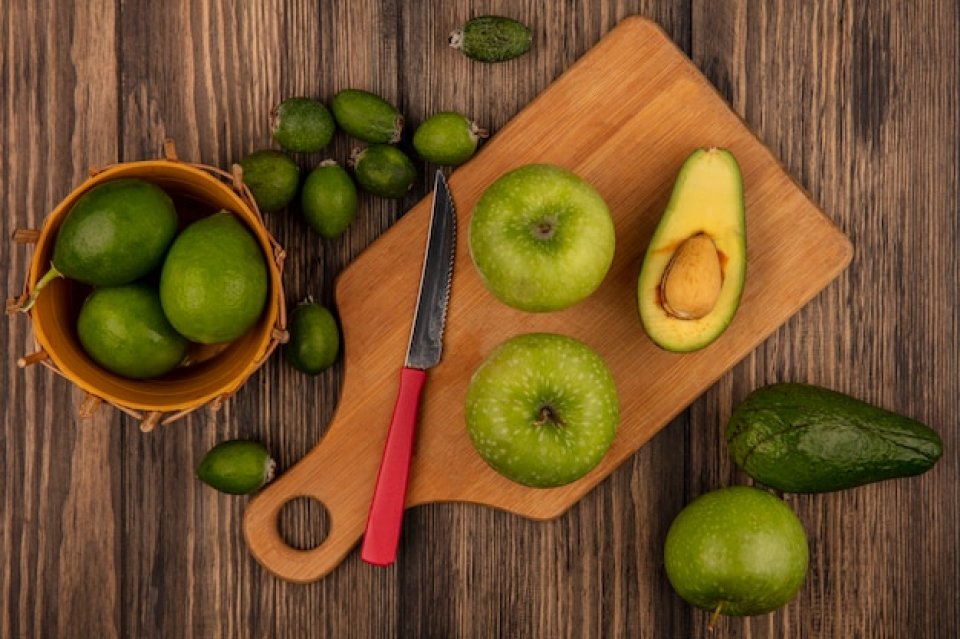
Knowing when your avocado is perfectly ripe separates the pros from the amateurs. Squeeze the fruit gently in your palm. It should yield to gentle pressure but not feel mushy. That’s the sweet spot right there.
Color changes help too, especially with Hass avocados. They shift from bright green to dark purple-black when ripe. Other varieties stay green, so color isn’t always reliable. Always trust the squeeze test first.
Ripeness indicators:
- Yields to gentle pressure
- Stem removes easily and reveals green underneath
- Darker skin color (for Hass variety)
- Slightly soft but not squishy
Pull off the small stem at the top. If it comes off easily and you see green underneath, you’re good to go. Brown underneath? That avocado is overripe. Yellow-green means it needs more time.
Storing Ripe Avocados
So you’ve successfully ripened your avocados—awesome! Now what? Pop them in the refrigerator immediately. Cold temperatures halt the ripening process, giving you several extra days to use them.
Ripe avocados last 3-5 days in the fridge. This trick is super handy when you ripen multiple avocados at once. You won’t waste any because they all went overripe simultaneously. Strategic planning for the win!
Once cut, things get trickier. Avocado flesh oxidizes quickly, turning brown and unappetizing. Squeeze lemon or lime juice over the exposed flesh. The acid slows oxidation significantly. Wrap tightly in plastic wrap, pressing it directly against the flesh.
Common Mistakes to Avoid
Refrigerating unripe avocados is mistake number one. I see people do this constantly. The cold essentially freezes the ripening process. Your avocados will stay hard for weeks, making you wonder if they’re ever going to soften.
Another rookie error? Expecting instant results. Even the fastest methods need at least 12 hours. Patience is crucial here. Check your avocados regularly but don’t obsess over them every hour.
Don’t do these things:
- Store hard avocados in the fridge
- Use excessive heat (over 200°F)
- Squeeze too hard when checking ripeness
- Leave them in sealed plastic bags
Bruising your avocados while testing ripeness is surprisingly common. Press gently! Aggressive squeezing creates brown spots inside the flesh. Those dark bruises don’t taste great and waste perfectly good avocado.
Different Varieties Ripen Differently
Hass avocados are the most common variety. They ripen predictably and show clear color changes. These respond best to all the methods I’ve mentioned above. They’re also the easiest to work with for beginners.
Fuerte avocados stay green when ripe, which confuses many people. You’ll rely entirely on the squeeze test. These take slightly longer to ripen naturally but taste incredible—lighter and more subtle than Hass.
Bacon avocados (yes, that’s really their name) have smooth, thin skin. They ripen quickly, sometimes too quickly. Watch these carefully, or they’ll go from perfect to overripe in 24 hours. They’re less forgiving than other varieties.
The Science Behind Ethylene Gas
Ever wondered why bananas near avocados work so well? Ethylene is a plant hormone that fruits produce naturally. It signals cells to break down, softening the fruit and converting starches to sugars.
Climacteric fruits like avocados, bananas, and tomatoes produce ethylene after picking. They continue ripening off the tree. Non-climacteric fruits like strawberries? They stop ripening once picked. Understanding this helps you ripen fruit strategically.
Commercial operations use ethylene chambers to ripen produce uniformly. They control temperature, humidity, and gas concentration precisely. We’re basically recreating this environment at home using simple techniques. Pretty clever, right?
My Personal Favorite Method
After trying everything, I always return to the paper bag with banana method. It’s reliable, fast, and doesn’t compromise flavor or texture. I can plan meals 24 hours ahead confidently.
The rice method comes in second place. It’s gentler and works great for slightly bruised avocados. But honestly? The paper bag is simpler and requires less cleanup. Why deal with rice when paper bags work just as well?
I never use heat-based methods unless it’s an absolute emergency. The flavor loss isn’t worth the time saved. Good things take time, even when we’re talking about accelerated ripening :/
Buying Tips for Better Results
Choose avocados wisely at the store. If you need ripe avocados today, buy soft ones. Planning ahead? Grab firm avocados and ripen them at home. This seems obvious but saves so much frustration.
Check for external damage carefully. Small dents or bruises mean internal browning. Those spots won’t improve with ripening. Smooth, unblemished skin indicates better quality fruit that’ll ripen evenly and taste great.
Look for:
- Firm but not rock-hard avocados
- Unblemished skin
- Intact stems (if still attached)
- Heavy feel for their size
Sometimes stores sell “ripe and ready” avocados. These cost more but eliminate guesswork. I grab these when making same-day meals. For weekly meal prep, I buy hard avocados and ripen them gradually at home.
Conclusion
Ripening avocados faster isn’t rocket science. You just need the right techniques and a bit of patience. The paper bag method with a banana is your best bet for reliable, fast results without sacrificing quality.
Remember, heat-based methods are last resorts. They work in emergencies but definitely impact flavor and texture. Plan ahead when possible, and you’ll always have perfectly ripe avocados ready for your recipes.
Now go rescue those rock-hard avocados from your counter. Your taste buds will thank you! And hey, once you master this, you’ll never deal with unripe avocado disappointment again. Happy ripening!
Frequently Asked Questions
How long does it take to ripen avocados naturally?
Avocados typically take 4-7 days to ripen at room temperature. The exact time depends on how unripe they were when purchased and storage conditions. Using acceleration methods like the paper bag trick can reduce this to 1-2 days.
Can you ripen avocados in the fridge?
No, cold temperatures halt the ripening process completely. Avocados need room temperature to ripen properly. Only refrigerate avocados once they’ve already reached your desired ripeness to extend their usable life.
Why do some avocados never seem to ripen?
Avocados picked too early may never ripen properly. Extreme cold exposure during shipping can also damage the fruit permanently. If your avocado stays hard for over two weeks at room temperature, it probably won’t ripen at all.
Is it safe to eat slightly unripe avocados?
Yes, unripe avocados are safe to eat but taste terrible. They’re hard, bitter, and lack that creamy texture we love. You won’t get sick from eating them, but your taste buds definitely won’t enjoy the experience.
Does putting avocados in water speed up ripening?
No, water doesn’t accelerate ripening and can actually promote bacterial growth. Stick with dry methods like paper bags or rice. Water may soften the exterior slightly but doesn’t trigger the internal ripening process we’re after.
Can you ripen a cut avocado?
Unfortunately, no. Once cut, avocados stop ripening because the ethylene gas escapes. Brush the exposed flesh with lemon juice and refrigerate it. The texture won’t improve, but you can prevent further browning at least.
What’s the fastest emergency method that preserves flavor?
The paper bag with banana method is fastest while maintaining quality. It takes 12-24 hours. Heat-based methods are quicker but significantly compromise flavor and texture, making them unsuitable for most recipes.