
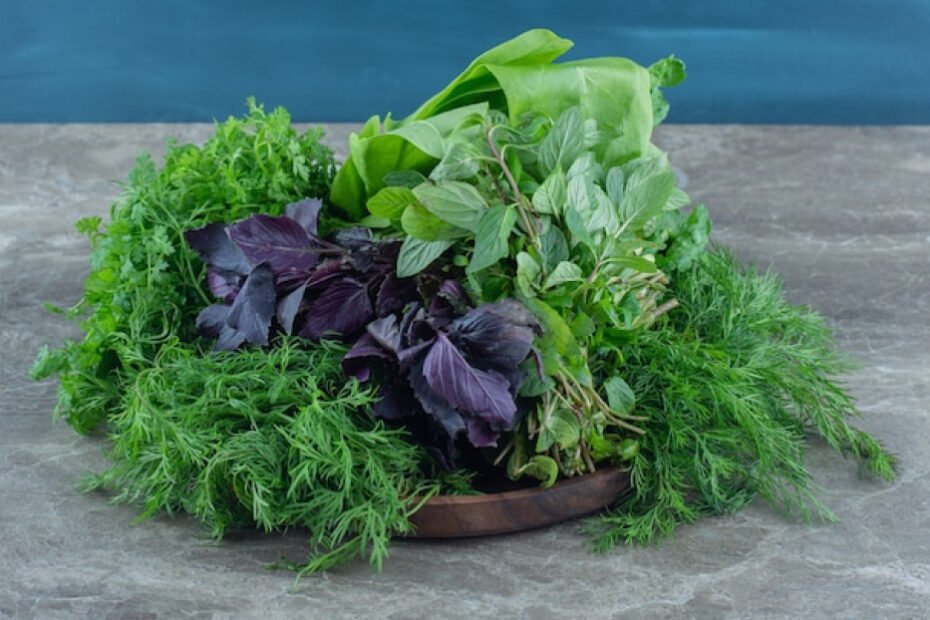
You buy a bunch of fresh basil for that pasta recipe, use three leaves, and watch the rest turn into a slimy, black mess in your fridge by day three. Sound familiar? Yeah, I’ve thrown away more herb money than I care to admit.
Fresh herbs are expensive and delicate. But here’s the thing: you don’t have to accept that three-day death sentence. I stumbled onto a storage method that keeps my herbs fresh for literally weeks, and it’s stupidly simple.
Why Fresh Herbs Die So Fast
Let’s talk about what kills your herbs. When you bring them home from the store, they’re already stressed. They’ve been cut, transported, refrigerated, and handled multiple times. They’re basically hanging on by a thread.
Herbs need moisture to stay alive, but too much moisture causes rot. They also need air circulation to prevent bacterial growth. Most people just toss them in the crisper drawer and hope for the best.
That plastic clamshell or bag they come in? It’s a death trap. No air circulation, excess moisture buildup, and temperature fluctuations every time you open your fridge. Your herbs never stood a chance, honestly.
Understanding these factors helped me figure out better storage methods. The trick is balancing moisture, air flow, and temperature. Get those three things right, and your herbs will outlast your motivation to cook.
The Water Glass Method: Your New Best Friend
Here’s the game-changer: treat your herbs like cut flowers. Trim the stems at an angle, place them in a glass of water, and loosely cover the leaves with a plastic bag.
I use mason jars because they’re sturdy and don’t tip over easily. Fill the jar with about two inches of fresh, cold water. Trim about half an inch off the stem bottoms at a 45-degree angle.
Place the herbs in the jar like a bouquet. The stems should be submerged, but keep the leaves above water. Cover loosely with a plastic bag—don’t seal it tight. You want air circulation, not a terrarium.
Put the jar in your fridge door, not the back. The door has more consistent temperature and better air flow. Change the water every three to four days, and trim the stems slightly each time.
This method works brilliantly for cilantro, parsley, dill, and mint. I’ve kept cilantro fresh for three weeks using this technique. Three weeks! That’s unheard of for cilantro, which usually goes bad if you even look at it wrong.
The Paper Towel Roll Method
Some herbs don’t love the water glass method. Basil, for example, hates being refrigerated—it turns black faster in cold temps. For these herbs, try the paper towel roll technique instead.
Gently wash your herbs and shake off excess water. Don’t skip washing—you need to remove field dirt and bacteria that speed up decay. Pat them as dry as possible with paper towels.
Lay out a fresh paper towel on your counter. Arrange the herbs in a single layer on the towel. Roll the towel loosely around the herbs, like you’re making an herb burrito.
Place the rolled bundle in a plastic bag, but don’t seal it completely. Leave it slightly open for air circulation. Store it in your crisper drawer, which has slightly higher humidity than the rest of your fridge.
Check the paper towel every few days. If it feels damp, swap it for a fresh, dry one. Moisture is the enemy here, so keeping things relatively dry prevents rot and mold.
This method excels with basil, sage, thyme, and oregano. I’ve kept basil fresh for ten days this way, which is basically a miracle. FYI, basil especially benefits from this method since cold kills it fast.
The Herb-Specific Storage Guide
Not all herbs are created equal. They come from different climates and have different needs. Let’s break down the best storage method for each common herb type.
Tender Leafy Herbs
Cilantro, parsley, dill, and mint are tender and love moisture. Use the water glass method for these. They’ll stay perky and fresh for two to three weeks with proper care.
These herbs wilt quickly when they dry out. Keeping their stems in water maintains hydration throughout the leaves. Just remember to change that water regularly—stagnant water breeds bacteria.
Woody Herbs
Rosemary, thyme, sage, and oregano are woody and more resilient. They do well with the paper towel method. These herbs can handle slight drying better than tender varieties.
Woody herbs can last up to two weeks when stored properly. Their tougher structure means they’re less prone to bruising and rot. They’re the workhorses of herb storage, honestly.
Delicate Herbs
Basil and tarragon are the divas of the herb world. They hate cold and bruise easily. Store basil at room temperature in a water glass, not in the fridge.
I keep my basil on the kitchen counter in a jar of water, away from direct sunlight. Change the water daily, and it stays fresh for a week. Refrigerating basil guarantees it turns black within 24 hours.
The Freezing Option for Long-Term Storage
Sometimes you know you won’t use herbs within weeks. Freezing extends their life to months, though it changes their texture. They won’t work for garnishes but remain perfect for cooking.
Ice cube tray method: Chop your herbs finely. Pack them into ice cube tray compartments, filling each about two-thirds full. Pour olive oil or melted butter over the herbs to fill the compartments.
Freeze until solid, then pop the cubes into a freezer bag. Label them with the herb type and date. These cubes last six months and go straight from freezer to pan.
I use this method when I find herbs on sale or have extras from my garden. Having herb-butter cubes ready makes weeknight cooking so much faster. Just grab a cube and toss it in.
Flat freezing method: Wash and dry herbs thoroughly. Spread them on a baking sheet in a single layer. Freeze for one hour until solid, then transfer to freezer bags.
This keeps the herbs loose instead of frozen in one clump. You can grab exactly what you need without thawing the whole batch. Smart, right?
Common Storage Mistakes to Avoid
Let me save you from the mistakes I made while figuring this out. Don’t store herbs in sealed containers or bags—they need air circulation. Trapped moisture equals slimy, gross herbs in record time.
Never store wet herbs directly in the fridge without drying them first. That excess water accelerates decay dramatically. Take the extra minute to pat them dry or shake off water properly.
Don’t keep herbs in the original packaging once you open it. Those plastic containers are designed for transport, not long-term storage. Transfer them immediately to proper storage setups.
Avoid storing herbs near ethylene-producing fruits like apples and bananas. Ethylene gas speeds up decay in herbs. Keep them separate in your fridge to maximize freshness.
The Meal Prep Angle
Here’s where this gets really useful: meal prep. When I meal prep on Sundays, I prep my herbs at the same time. I wash them, sort them by storage method, and set them up properly.
This takes maybe 15 minutes total but saves hours of mid-week frustration. I’m not scrambling to figure out why my cilantro died again or making emergency store runs for fresh parsley.
Having fresh herbs ready to grab makes me actually use them. When herbs are properly stored and accessible, I add them to way more dishes. My cooking improved simply because my herbs stayed fresh.
The Money-Saving Reality
Let’s talk dollars for a second. Fresh herb bunches cost three to five bucks each in my area. If you’re buying them weekly and throwing away half, you’re wasting serious money over time.
Proper storage means I buy herbs every three weeks instead of weekly. That’s cutting my herb spending by two-thirds. Over a year, that’s probably 200 bucks saved on herbs alone.
Plus, I can buy larger quantities when they’re on sale. I’m not worried about them dying before I use them. Smart storage equals smart spending, IMO.
My Personal Herb Storage System
After trying everything, here’s my actual routine. I keep three mason jars in my fridge door: one for cilantro, one for parsley, and one for dill. These are my most-used herbs.
I store basil on my counter in a small vase, away from my fruit bowl. It sits near my cutting board where I see it and remember to change the water daily.
Woody herbs get the paper towel treatment in my crisper drawer. I check them once a week and replace damp towels. This system works with my cooking style and fridge layout perfectly.
I also keep frozen herb cubes for backup. When I run out of fresh or don’t have time to shop, I grab a cube. It’s my insurance policy against boring, herb-less cooking.
Troubleshooting Common Problems
What if your herbs still die quickly? Check your fridge temperature—it should be between 35-38°F. Too cold damages herbs; too warm speeds decay. Find that sweet spot.
Are your herbs wilting in water? You might be changing the water too infrequently. Bacteria builds up in stagnant water and clogs the stems. Change it every three days minimum.
Herbs turning slimy in paper towels? You’re not drying them enough initially, or the paper towel is too damp. Make sure herbs are mostly dry before rolling, and change towels more often.
Why This Actually Works
The water glass method mimics how herbs grow. They’re basically still “alive” with their stems in water, absorbing moisture and staying hydrated. The loose plastic bag creates humidity without trapping too much moisture.
The paper towel method controls moisture levels precisely. It absorbs excess water while maintaining enough humidity to prevent drying. This balance is exactly what herbs need to stay fresh without rotting.
Both methods provide better air circulation than sealed containers. Air movement prevents bacterial growth while maintaining the right moisture level. It’s all about that balance, which these methods nail perfectly.
The Bottom Line
Keeping herbs fresh for weeks isn’t rocket science—it’s just proper storage technique. Choose the right method for each herb type, maintain the setup consistently, and watch your herbs outlive your expectations.
The water glass method works wonders for tender herbs like cilantro and parsley. The paper towel method suits woody herbs and cold-sensitive ones like basil. Freezing handles long-term storage when you’ve got extras.
Stop accepting that three-day herb lifespan. With these techniques, you’ll save money, reduce waste, and always have fresh herbs ready. Your cooking will thank you, and so will your wallet. Now go rescue those herbs from their plastic prison!
FAQs
Q: Can I store different herbs together in the same jar?
A: Not recommended. Different herbs have different lifespans and water needs. Mixing them means some will die faster and contaminate the water. Keep each herb type in its own container for best results.
Q: How do I know when it’s time to throw herbs away?
A: Toss them when they turn slimy, develop black spots, smell off, or become completely wilted. Slightly yellowed herbs are still usable for cooking, just not for garnish. Trust your nose and eyes.
Q: Does washing herbs before storage make them go bad faster?
A: Only if you don’t dry them properly. Washing removes bacteria and dirt that cause decay. Just make sure you dry herbs thoroughly before storage, especially with the paper towel method.
Q: Why does my basil turn black in the fridge?
A: Basil is tropical and hates cold temperatures. Below 50°F damages its cell structure, causing blackening. Store basil at room temperature in water, never in the fridge. It’s the only common herb with this quirk.
Q: Can I revive wilted herbs?
A: Sometimes! Trim the stems and place wilted herbs in ice water for 30 minutes. This can perk up slightly wilted herbs. Once they’re slimy or black, though, they’re done for. Prevention beats revival every time.