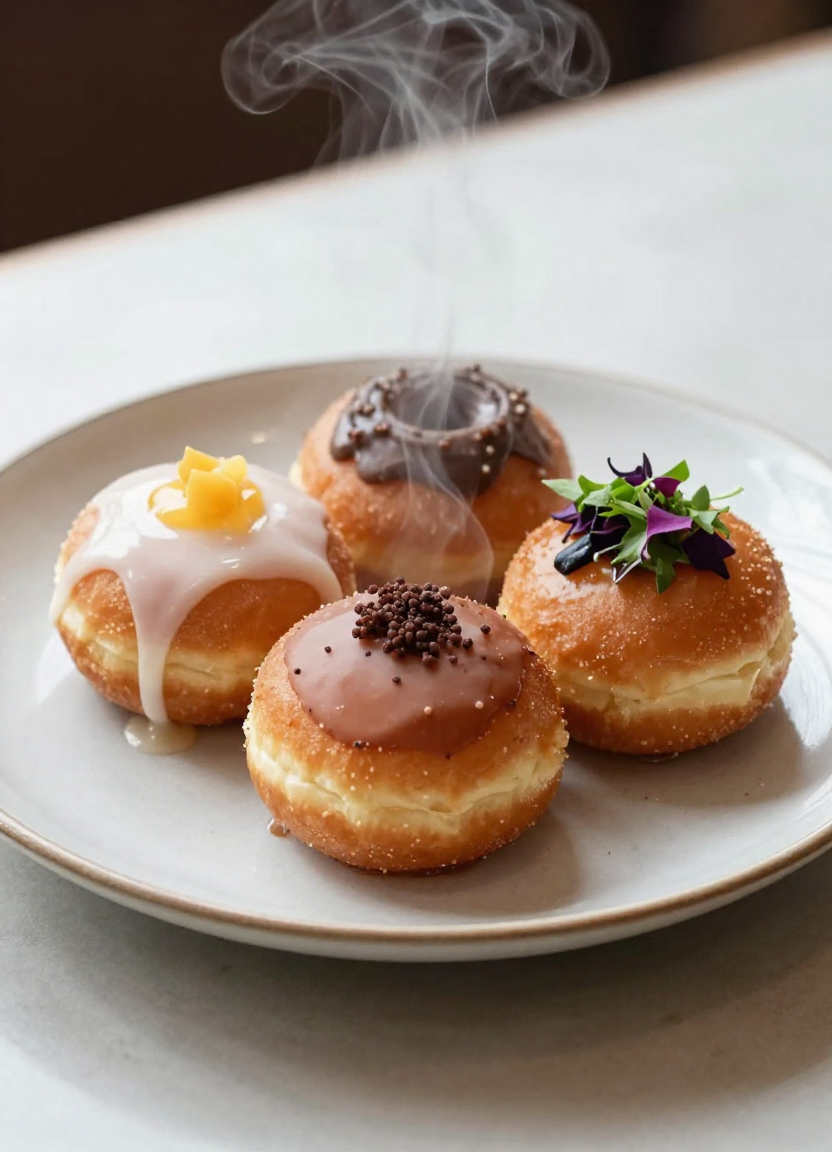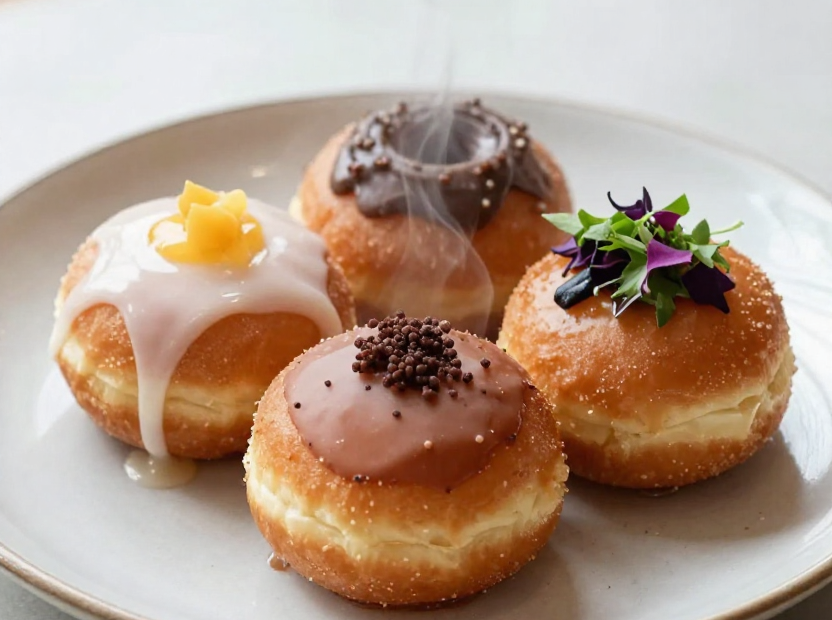
Remember that time you walked into a Korean bakery and smelled something sweet, warm, and utterly irresistible? That was Korean donuts — crispy on the outside, fluffy inside, and coated in a glossy glaze that makes your taste buds do a happy dance. I first tried them during a trip to Seoul, and I’ve been obsessed ever since. Now, I’m sharing my go-to recipe so you can recreate that magic at home.
Why You’ll Love These Korean Donuts
These aren’t your average cake donuts or yeast-raised ones. Korean donuts, also known as “tteokguk” in some regions (though that’s actually a soup — don’t worry, we’re not confusing them!), are simple, sweet, and deeply satisfying. They’re made with a batter similar to pancakes, but fried to golden perfection.
What makes them special? The texture. They’re light and airy, almost like a soft, pillowy cloud, with a satisfying crunch from the outside. And the glaze? It’s not too thick, not too sweet — just enough to add a glossy finish and a hint of vanilla magic.
What You’ll Need
Dough Ingredients
- 2 cups all-purpose flour
- 1/3 cup granulated sugar
- 1 teaspoon baking powder
- 1/4 teaspoon salt
- 3/4 cup milk
- 2 tablespoons vegetable oil
- 1 teaspoon vanilla extract
- 1 large egg
Frying
- 2 cups vegetable oil (for frying)
Glaze
- 1 cup powdered sugar
- 2-3 tablespoons milk
- 1/2 teaspoon vanilla extract
Everything here is pantry staple stuff — no fancy ingredients required. And if you don’t have vanilla, you can skip it, though I promise it adds a lovely depth of flavor.
How to Make Korean Donuts
Let’s get cooking. This recipe is so simple, even if you’ve never fried anything before, you’ll nail it.
- In a large bowl, whisk together the flour, sugar, baking powder, and salt. This creates a uniform base for your dough.
- In a separate bowl, mix the milk, vegetable oil, vanilla extract, and egg until smooth. This wet mixture will help the dough rise and stay tender.
- Pour the wet ingredients into the dry ingredients. Stir gently until just combined — don’t overmix. A few lumps are totally fine. Overmixing makes donuts tough.
- Cover the bowl and let the dough rest for 15 minutes. This step is crucial. It allows the gluten to relax, resulting in softer, more tender donuts.
- Heat 2 cups of vegetable oil in a deep skillet or Dutch oven over medium heat. Use a candy thermometer if you have one — you want the oil to reach 350°F (175°C). If you don’t, test it by dropping a small piece of dough in — if it sizzles and rises to the surface, you’re good to go.
- Use a cookie scoop or spoon to drop small, round portions of dough into the hot oil. Don’t overcrowd the pan — fry in batches of 3-4 donuts at a time to ensure even cooking.
- Fry each batch for 2-3 minutes per side, or until golden brown and puffed. You’ll hear a gentle sizzle, and the donuts will float to the top when they’re ready to flip.
- Remove the donuts with a slotted spoon and drain on a wire rack or paper towels. Let them cool slightly — about 2-3 minutes — before glazing.
- While the donuts cool, whisk together powdered sugar, milk, and vanilla extract to make a smooth, pourable glaze. Adjust milk as needed — you want it thick enough to coat but thin enough to drip off.
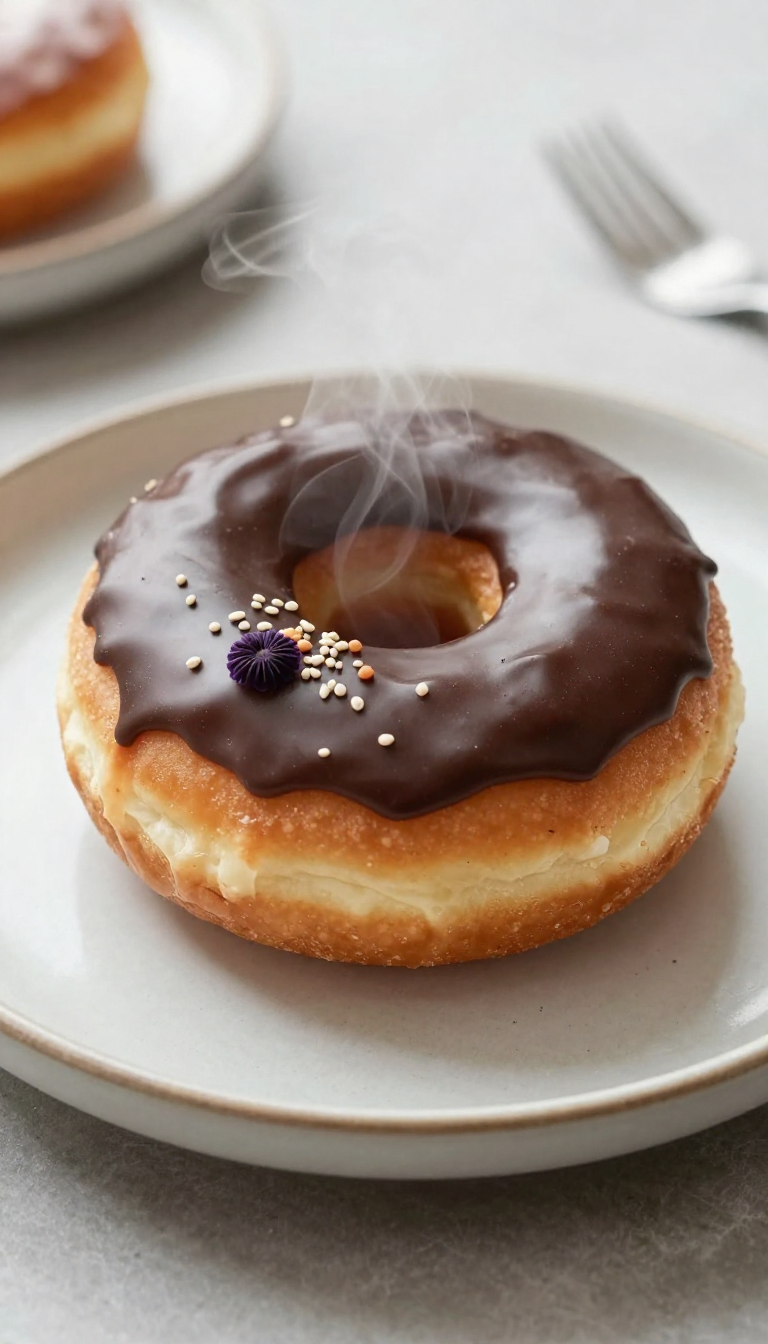
- Dip each warm donut into the glaze, letting excess drip off, then place on a wire rack to set. The warmth helps the glaze adhere better.
- Serve warm or at room temperature. They’re best enjoyed within 2 hours for maximum crispiness.
- Store leftovers in an airtight container at room temperature for up to 2 days. To reheat, place in a 350°F oven for 5 minutes to restore that perfect crunch.
Tips for Success
Here are my insider secrets to perfect Korean donuts every time:
- Don’t overmix the batter — a few lumps are okay. Overmixing = tough donuts.
- Let the dough rest — 15 minutes makes a world of difference in texture.
- Use a thermometer — 350°F is ideal. Too hot and they burn; too cool and they absorb too much oil.
- Fry in small batches — overcrowding lowers the oil temperature and leads to greasy donuts.
- Glaze while warm — the heat helps the glaze stick and set evenly.
- Use a wire rack — this prevents the bottoms from getting soggy as the glaze sets.
Common Mistakes to Avoid
Even experienced bakers make these mistakes. Let’s fix them before they happen:
- Skipping the rest time — dough that hasn’t rested will be dense and chewy.
- Using cold oil — donuts will absorb too much oil and become greasy.
- Overcrowding the pan — this lowers the oil temp and ruins texture.
- Glazing cold donuts — the glaze will slide off or not set properly.
- Overcooking — they’ll turn dark and bitter. 2-3 minutes per side is perfect.
FAQ
Can I use a different type of flour?
Yes, but with caveats. Cake flour will make them even softer, but you’ll need to adjust the liquid slightly. Whole wheat flour adds fiber but makes them denser — not ideal for this recipe. Stick with all-purpose for best results.
Can I make these gluten-free?
Absolutely. Use a 1:1 gluten-free flour blend. I recommend one with xanthan gum included. The texture might be slightly different, but they’ll still be delicious.
Can I bake these instead of frying?
Technically, yes, but they won’t be authentic. Baked versions are softer and lack the signature crispiness. If you must bake, try 350°F for 12-15 minutes, but expect a pancake-like texture.
How do I store leftover donuts?
Store in an airtight container at room temperature for up to 2 days. For best texture, reheat in a 350°F oven for 5 minutes. They don’t freeze well — the texture changes too much.
Can I add flavors or toppings?
Definitely! Try adding a teaspoon of cinnamon to the batter, or top with chopped nuts, chocolate drizzle, or sprinkles after glazing. For a fun twist, add a bit of matcha powder to the glaze — it’s a favorite in Korea!
Final Thoughts
Making Korean donuts at home is easier than you think, and the results are so worth it. They’re sweet, crispy, and full of comfort — perfect for breakfast, dessert, or even a midday treat with coffee.
Plus, they’re a great way to impress friends or family. I once made these for a brunch, and my sister asked for the recipe three times before the last donut was gone. That’s how you know you’ve nailed it.
So grab your mixing bowl, heat up that oil, and get ready to enjoy a taste of Korea right in your kitchen. You’ve got this — and your taste buds will thank you.