
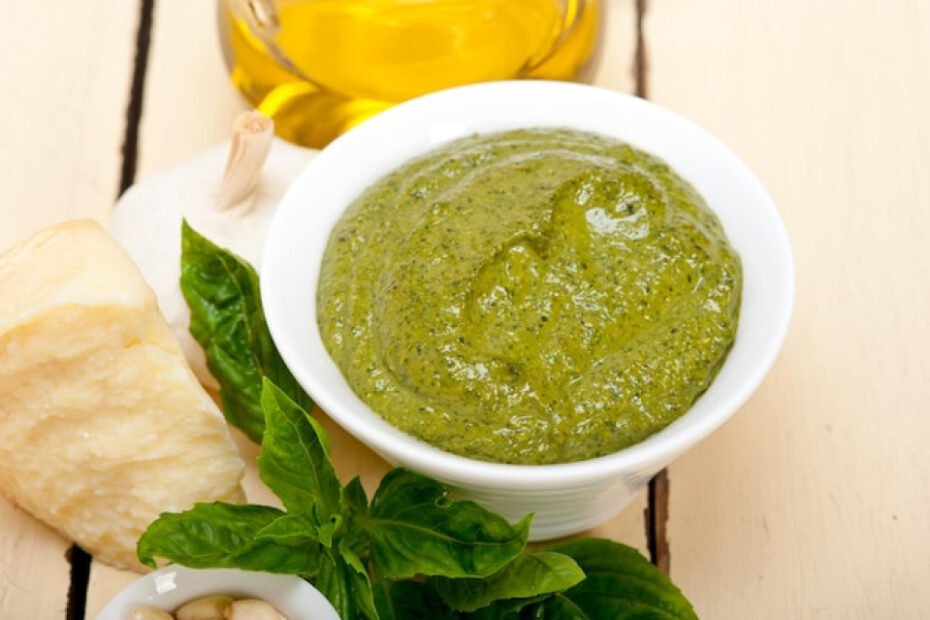
Let’s be honest—pesto sauce is basically the Beyoncé of sauces. It’s versatile, glamorous, and makes everything it touches instantly better. Pasta? Elevated. Sandwich? Fancy. Pizza? A gourmet masterpiece. And the best part?
You don’t need a culinary degree or a five-star kitchen to whip up a killer batch of homemade pesto sauce.
I still remember the first time I made pesto from scratch. I threw some basil, garlic, and parmesan into a food processor, crossed my fingers, and hit blend. One taste later, and I realized: why the heck did I ever buy the store-bought stuff? If you’ve ever wondered how to make fresh pesto or felt intimidated by the whole “DIY pesto basil” thing, don’t worry—you’re about to see just how simple it is.
So grab your blender, your basil, and maybe a little wine (for “cooking purposes,” obviously). Let’s break down everything you need to know about this bright green magic potion.
What Is Pesto, Really?
Pesto is a classic Italian sauce, originally from Genoa, that translates to “pounded” or “crushed.” Traditionally, people made it with a mortar and pestle, but don’t worry—your food processor or blender works just fine.
The star ingredient is fresh basil, but the supporting cast—garlic, parmesan cheese, pine nuts, and olive oil—play just as big a role. Together, they create a bright, nutty, garlicky flavor that somehow manages to taste both rich and fresh at the same time.
Ever wondered why pesto feels so “fancy”? It’s because those ingredients scream quality. There’s nothing watered down here—it’s pure flavor, no filler.
Why You Should Make Your Own Pesto
Sure, you could just grab a jar of pesto at the grocery store. But IMO, that’s like microwaving popcorn instead of making it fresh—it’ll do, but you’re missing out. Here’s why making your own pesto sauce at home is 100% worth it:
- Freshness overload: Homemade pesto has that “green garden in your mouth” vibe you can’t get from a jar.
- Customizable: Hate pine nuts? Make homemade basil pesto nut free by swapping in sunflower seeds or walnuts.
- Healthier: You control the salt, cheese, and oil, making it easy to create a healthy pesto recipe.
- Cheaper: Pine nuts cost a fortune (seriously, why are they priced like gold?), but DIY pesto easy swaps like cashews or sunflower seeds keep it budget-friendly.
- Bragging rights: Let’s face it—telling your friends you made “homemade pesto with olive oil and fresh basil” sounds way fancier than saying you opened a jar.
Ingredients You’ll Need
Here’s the classic lineup for a homemade pesto sauce. Keep in mind, you can swap things around depending on your preferences.
- 2 cups fresh basil leaves (packed)
- 1/2 cup freshly grated Parmesan cheese
- 1/2 cup extra-virgin olive oil
- 1/3 cup pine nuts (or sunflower seeds for a twist)
- 2 cloves garlic (peeled)
- Salt and pepper to taste
- Optional: A squeeze of lemon juice for brightness
Step-by-Step: How To Make Pesto Sauce
Okay, now for the fun part. Don’t stress—this is as easy as making a smoothie (a really delicious, garlicky smoothie).
Step 1: Toast Your Nuts (Optional But Recommended)
If you’re using pine nuts, walnuts, or sunflower seeds, toss them in a dry skillet for a couple of minutes until they smell nutty and slightly golden. Why? Because toasted nuts = richer flavor. It’s like upgrading from black-and-white TV to 4K Ultra HD.
Step 2: Load the Food Processor
Add your basil, garlic, and nuts to the food processor. Pulse a few times until everything looks chopped but not pureed. Think “rough salsa texture,” not baby food.
Step 3: Add the Cheese
Dump in the Parmesan and pulse again. Don’t worry if it looks chunky—that’s normal at this stage.
Step 4: Stream in the Olive Oil
Now comes the magic. With the processor running, slowly drizzle in your olive oil until the mixture turns into a smooth, luscious green sauce. Stop and scrape down the sides as needed.
Step 5: Season and Taste-Test
Add salt, pepper, and maybe a squeeze of lemon juice. Taste a spoonful (don’t pretend you weren’t going to do it anyway). Need more garlic? More cheese? Adjust until it tastes perfect to you.
And that’s it. You just made homemade pesto with olive oil like a pro.
Variations You’ve Gotta Try
Here’s where you can get creative. Because honestly, basil doesn’t own the monopoly on pesto.
- Homemade pesto with sunflower seeds: Budget-friendly and nut-free.
- Kale pesto: A little earthier, but packs a nutritional punch.
- Cilantro pesto: Perfect for tacos or grilled chicken.
- Pesto with spinach + basil: A milder option that still tastes fresh.
- Homemade basil pesto nut free: Swap nuts for pumpkin seeds if you’ve got allergies.
Basically, if it’s green and leafy, you can probably make a pesto out of it.
How To Use Pesto (a.k.a. What To Make With Pesto)
Okay, so you’ve got a jar of gorgeous green sauce. Now what? The better question is, what can’t you make with pesto? Here are my go-to pesto dishes:
- Pesto cream sauce pasta: Stir a couple spoonfuls into hot cream for an easy creamy pesto sauce that clings to pasta beautifully.
- Basil pesto cream sauce for chicken: Makes plain chicken taste like something from an Italian restaurant.
- Sandwich spread: Use pesto instead of mayo for a flavor boost.
- Pizza base: Forget tomato sauce—slather on pesto for a fresh twist.
- Veggie dip: Mix pesto with Greek yogurt for a quick snack.
- Roasted potatoes: Toss them in pesto after baking. Instant side dish upgrade.
Honestly, you could probably put pesto on cardboard, and it’d still taste pretty good.
Tips For The Perfect Pesto
Want your pesto to taste like something from Nonna’s kitchen? Keep these tips in mind:
- Use fresh basil. Wilted leaves = sad, dull pesto.
- Don’t skimp on the olive oil. It’s what makes the sauce silky.
- Balance the garlic. Too much, and you’ll overpower the basil. Too little, and it tastes flat.
- Store it right. Pesto turns brown if exposed to air. Store in a jar with a thin layer of olive oil on top to keep it green.
- Freeze it in cubes. Pour pesto into ice cube trays, freeze, and pop them out whenever you need a quick hit of flavor.
Common Mistakes People Make With Pesto
Even though pesto is easy, I’ve seen people mess it up. Here’s how to avoid rookie mistakes:
- Over-blending. If you run your food processor too long, your basil turns bitter. Short pulses are your friend.
- Using bad oil. Don’t cheap out on olive oil—it makes a huge difference.
- Adding all the oil at once. Always stream it in for a creamier texture.
- Ignoring lemon juice. A squeeze adds brightness and keeps the flavor fresh.
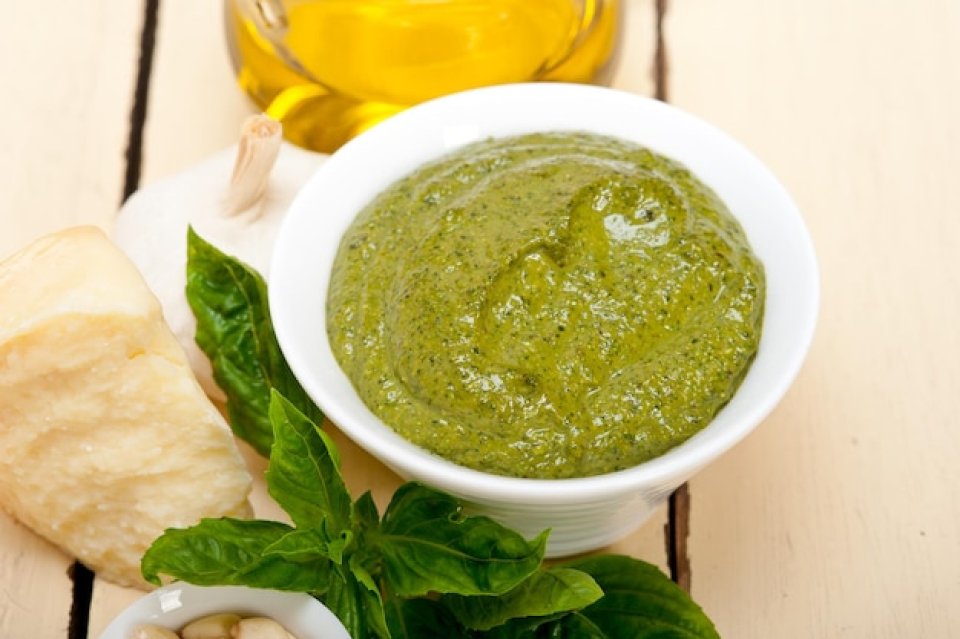
Homemade Pesto Sauce Recipe You’ll Love
This homemade pesto sauce recipe is fresh, flavorful, and incredibly versatile. With basil, garlic, Parmesan, nuts, and olive oil, you can create the perfect sauce for pasta, pizza, chicken, and more. Easy, customizable, and healthier than store-bought—this is the ultimate guide to making your own pesto at home.
Ingredients
-
2 cups fresh basil leaves (packed)
-
1/2 cup freshly grated Parmesan cheese
-
1/2 cup extra-virgin olive oil
-
1/3 cup pine nuts or sunflower seeds
-
2 cloves garlic
-
Salt and pepper to taste
-
Optional: squeeze of lemon juice
Steps To Make Pesto Sauce
- Toast the nuts in a skillet until golden.
- Add basil, garlic, and nuts to a food processor. Pulse.
- Add Parmesan cheese and pulse again.
- Stream in olive oil while blending until smooth.
- Season with salt, pepper, and lemon juice to taste.
- Store in a jar with olive oil layer on top.
Conclusion
There you go—a full breakdown of how to make homemade pesto that’s fresh, flavorful, and ridiculously versatile. You’ve now got a sauce that works for pasta, pizza, chicken, potatoes, and pretty much anything else you can throw at it.
So the next time you’re tempted to grab a jar off the grocery shelf, remember: you can make your own pesto in less than 10 minutes, with fresher flavor, healthier ingredients, and brag-worthy results.
And hey—if anyone asks, just say you’re working on your “DIY pesto basil lifestyle.” Sounds fancy, right?