
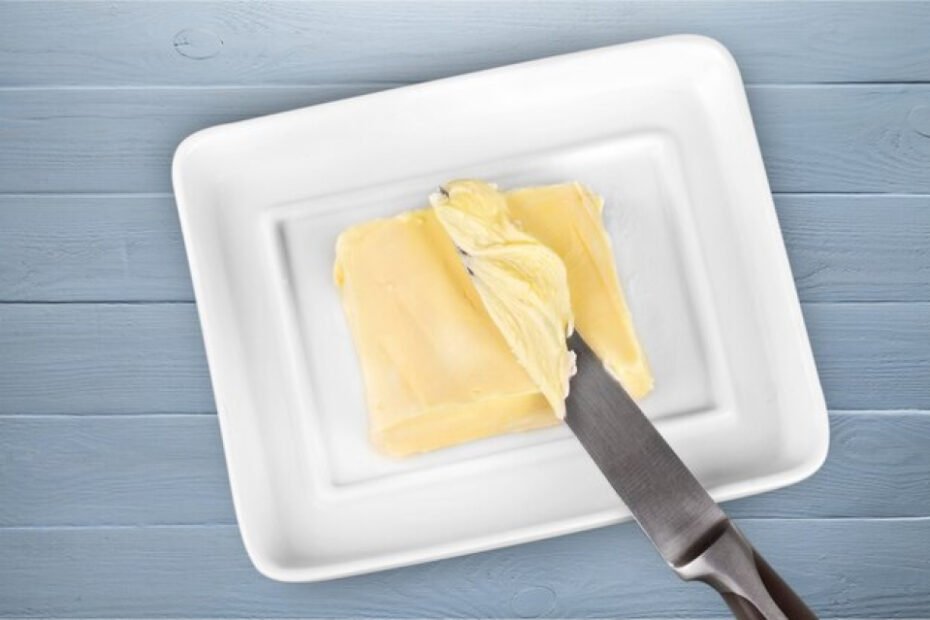
Ever grabbed a stick of butter from the fridge only to realize your recipe calls for “softened butter” and you need it, like, right now? Yeah, we’ve all been there. That rock-hard butter block mocking you while your cookies wait.
I’ve spent way too many mornings staring at cold butter, willing it to soften faster. Spoiler alert: mental telepathy doesn’t work.
Let me save you from the mistakes I’ve made. You know, like nuking butter in the microwave only to end up with a melted puddle. Not fun. Today, I’m sharing my battle-tested methods for getting perfectly soft butter in minutes without turning it into a liquid disaster.
Why Softened Butter Matters
Before we jump into the how, let’s talk about the why. Softened butter isn’t just a recipe suggestion—it’s crucial for baking success. When butter reaches that perfect 65-68°F temperature, it creates tiny air pockets when you cream it with sugar.
These air pockets? They’re what make your cakes fluffy and your cookies perfectly chewy. Melted butter can’t trap air the same way. Your baked goods end up dense, flat, and honestly pretty sad-looking. Trust me, I learned this the hard way with some seriously disappointing brownies.
Cold butter won’t mix properly either. You’ll get lumpy batter and uneven texture throughout your treats. The sweet spot is when butter yields to gentle pressure but still holds its shape. Think Play-Doh consistency, not soup.
The Hot Water Glass Method
This is my go-to trick, and it works like magic every single time. You’ll need a glass that can fit over your butter stick and some boiling water. Fill the glass with boiling water and let it sit for about a minute to heat up the glass itself.
Dump out the water, quickly dry the glass, and flip it upside down over your butter. The trapped heat softens the butter evenly in about 5-10 minutes. No melting, no fuss, just perfectly soft butter. FYI, this method is literally foolproof 🙂
The glass acts like a little sauna for your butter. The residual heat gently warms it without any hot spots that cause melting. I’ve used this technique countless times, and it’s never let me down. Just make sure your glass is completely dry before covering the butter.
The Pound-It-Out Technique
Feeling a bit aggressive? This method doubles as stress relief and butter softening. Grab a rolling pin and a piece of parchment paper or plastic wrap. Sandwich your cold butter between two sheets and start gently pounding it.
The mechanical action breaks down the butter’s structure and increases its surface area. More surface area means faster warming to room temperature. Plus, you’re literally beating it into submission, which is oddly satisfying after a long day.
Flatten the butter to about half an inch thick. The thinner profile helps it soften in just 5 minutes or so. Just don’t go overboard—you want soft butter, not butter paste smeared across your counter.
Grate It Like Cheese
Here’s a method that sounds weird but works amazingly well. Pull out your box grater and grate that cold butter stick just like you would cheese. The tiny butter shreds soften in literally 2-3 minutes because of the increased surface area.
This technique is perfect when you’re in a serious time crunch. The small pieces warm up so fast that you can practically watch them soften. I use this when I’ve completely forgotten to take butter out ahead of time (which happens more than I’d like to admit).
One heads up though—use the large holes on your grater, not the fine ones. The fine holes create butter mush that’s hard to work with. You want distinct shreds that’ll soften while maintaining some structure.
The Water Bath Strategy
This method requires a bit more attention but gives you ultimate control. Place your butter (still wrapped) in a sealed plastic bag. Then submerge it in a bowl of warm—not hot—water for about 10 minutes.
The key word here is warm. We’re talking lukewarm bathwater temperature, around 80-85°F. Hot water will melt the outside while leaving the inside cold. Been there, dealt with that mess, don’t recommend it :/
Flip the butter halfway through to ensure even softening. Check it every few minutes by gently squeezing the bag. You’ll feel when it reaches that perfect give without being squishy. This method takes slightly longer but it’s nearly impossible to mess up.
Cut It Into Small Cubes
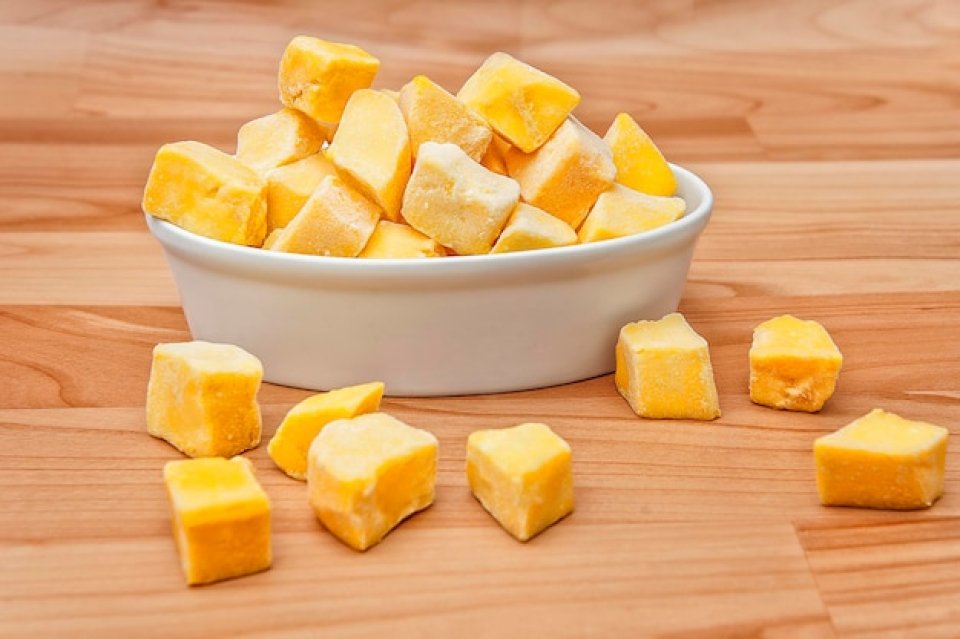
Sometimes the simplest solutions are the best ones. Slice your cold butter into small cubes, about half-inch pieces. Spread them out on a plate and let them sit for 10-15 minutes at room temperature.
The increased surface area does all the work here. Each small cube warms faster than one big block. It’s basic physics, really. More exposed surface means faster temperature equalization with the surrounding air.
This is my lazy Sunday method. When I’m not in a rush, I’ll cube my butter while I gather other ingredients. By the time I’m ready to mix, the butter’s perfectly soft. No special equipment needed, just a knife and a little patience.
The Microwave Method (Use With Caution)
Okay, I know I dissed the microwave earlier, but hear me out. You can use it successfully if you’re really careful. The secret is using the lowest power setting and doing super short intervals. We’re talking 5-second bursts maximum.
Set your microwave to 10-20% power. Any higher and you’re playing with fire (or butter puddles). After each 5-second interval, flip the butter and check its consistency. The moment it starts yielding to gentle pressure, stop immediately.
IMO, this method is riskiest because microwaves are unpredictable. Different models have different power levels and hot spots. I only use this as a absolute last resort when every other method isn’t an option. You’ve been warned!
The Double Boiler Approach
For the perfectionists out there, the double boiler gives you restaurant-quality results. Place your butter in a heatproof bowl over a pot of barely simmering water. Make sure the bowl doesn’t touch the water itself.
The gentle, indirect heat softens butter evenly without any risk of melting. Stir occasionally and remove the bowl as soon as the butter reaches room temperature. This typically takes about 5-7 minutes depending on how much butter you’re softening.
This method is overkill for everyday baking, honestly. But when I’m making something special where butter temperature really matters—like French buttercream or laminated dough—this is my preferred technique. It’s precise and predictable every single time.
Room Temperature Planning (The Boring But Effective Way)
Let’s be real for a second. The absolute best way to soften butter is planning ahead. Take your butter out of the fridge 30-60 minutes before you need it. Set it on the counter and walk away.
No tricks, no hacks, just patience. The butter gradually comes to room temperature naturally and evenly. Every professional baker I know swears by this method. It’s foolproof because there’s literally nothing to mess up.
I get it though—life happens. You forget, you get spontaneous baking urges, or you just don’t have an hour to wait. That’s exactly why I’ve mastered all those quick methods above. But when you can plan ahead? Always choose this route.
Common Mistakes to Avoid
Never put butter directly on a hot surface or near a heat source. I once placed butter near my stove while cooking and ended up with half-melted butter in minutes. The bottom melted while the top stayed solid—totally useless for baking.
Don’t be tempted to microwave butter without supervision. Turning away for even 10 seconds can mean the difference between soft butter and melted butter. Stay present and attentive if you’re using heat-based methods.
Also, avoid softening more butter than you need. Once butter reaches room temperature, you can’t really re-harden it to the same consistency. It’ll be greasier and less suitable for baking later. Only soften what your recipe requires.
Testing Butter Softness
How do you know when butter is actually ready? Press your finger gently into the butter—it should leave an indent without your finger sinking all the way through. The butter should bend slightly when you press it, not break or crack.
Another test is the resistance check. Pick up the stick of butter and bend it gently. Properly softened butter will bend without breaking. If it snaps, it’s still too cold. If it feels greasy or looks shiny, you’ve gone too far.
Your butter should still feel cool to the touch, not warm. Remember, we’re aiming for 65-68°F, which is below body temperature. If the butter feels warm against your hand, you’ve crossed into melting territory.
Why Temperature Actually Matters
I know I mentioned this earlier, but it’s worth repeating because it’s that important. Temperature affects butter’s emulsification properties. At the right temperature, butter can hold both fat and water molecules in stable suspension—crucial for proper mixing.
Cold butter won’t incorporate properly with other ingredients. You’ll overwork your dough trying to mix it, developing too much gluten. The result? Tough, chewy baked goods instead of tender treats. Nobody wants hockey pucks when they’re expecting cookies.
Melted butter has already separated—the water and fat molecules aren’t in emulsion anymore. You lose the ability to cream butter with sugar effectively. Your baked goods will spread more, brown faster, and have a different texture entirely. Sometimes that’s intentional, but usually it’s not what recipes are designed for.
Quick Tips for Busy Bakers
Keep a stick of butter in a butter dish on your counter if you bake frequently. Butter actually stays fresh at room temperature for several days in a covered dish. This isn’t an option if your kitchen gets super hot, but it’s convenient for regular bakers.
Alternatively, portion out butter ahead of time. I sometimes cube butter on Sunday and store it in the fridge. When I need soft butter during the week, those cubes soften way faster than whole sticks. It’s all about that surface area again.
Consider keeping a dedicated butter dish near your baking station. Having butter ready to go eliminates the whole softening dilemma. You’ll never be caught off guard by a sudden cookie craving again.
Conclusion
Look, softening butter doesn’t have to be complicated or stressful. Whether you’re using the hot glass method, pounding it out, or simply planning ahead, you’ve got options. The key is understanding what actually works and why.
My personal favorite? The hot water glass trick wins every time for speed and reliability. But honestly, whatever method fits your timeline and kitchen setup is the right one. You’re not going to mess this up as long as you avoid the microwave danger zone.
Next time you’re staring down that cold butter stick, you’ll know exactly what to do. No more melted butter disasters, no more rock-hard mixing nightmares. Just perfectly soft butter ready for whatever delicious thing you’re creating. Now go bake something amazing!
Frequently Asked Questions
Q: How long does butter take to soften naturally at room temperature?
A: Butter typically takes 30-60 minutes to soften naturally, depending on your kitchen temperature and how cold the butter was initially. Warmer kitchens speed up the process, while cooler rooms take longer.
Q: Can I soften butter in its wrapper?
A: Yes, you can soften butter in its wrapper using most methods. However, for techniques like grating or pounding, you’ll need to unwrap it first. The wrapper actually helps with the water bath method by preventing water contact.
Q: What’s the ideal temperature for softened butter?
A: Perfect softened butter sits at 65-68°F. At this temperature, it’s pliable and yields to gentle pressure but still holds its shape. It should feel cool to the touch, not warm or greasy.
Q: Can I refreeze butter after softening it?
A: Yes, you can refreeze softened butter, but the texture may change slightly. It might become slightly grainy or less smooth. For best results, only soften the amount you need for your recipe.
Q: Does salted butter soften differently than unsalted butter?
A: No, salted and unsalted butter soften at the same rate. The small amount of salt doesn’t significantly affect the softening process. However, always use what your recipe specifies for proper flavor balance.
Q: Why does my butter smell bad after leaving it out?
A: Butter left uncovered or in warm conditions can go rancid. Always cover butter when softening it. If butter smells sour or off, discard it. Fresh butter should smell clean, sweet, and creamy.
Q: Can I use these methods for vegan butter alternatives?
A: Most plant-based butters soften using the same methods, though they may soften slightly faster. Check your specific brand’s recommendations, as some vegan butters have different melting points than dairy butter.
Meta Description: Learn how to soften butter quickly without melting it using 7 foolproof methods. Get perfectly soft butter in minutes for baking success every time.