
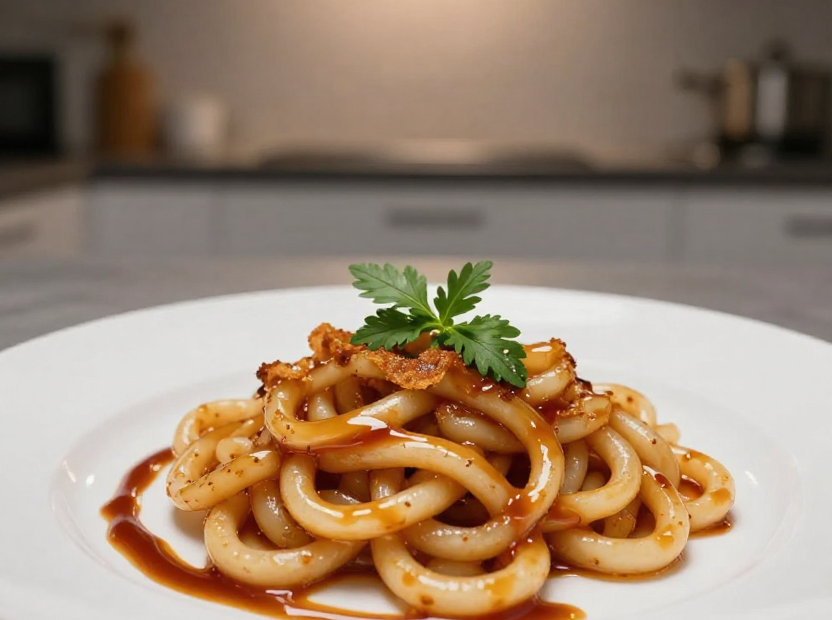
There’s something deeply comforting about a steaming bowl of udon noodles. Maybe it’s the thick, chewy strands that glide smoothly across your tongue. Or perhaps it’s the fragrant, umami-rich broth that warms you from the inside out. I remember the first time I tried udon at a tiny Japanese restaurant tucked away in my neighborhood. I ordered it on a rainy Tuesday, feeling a little down, and that bowl—simple, hearty, and soul-soothing—changed my mood in minutes. Since then, I’ve made it dozens of times at home, tweaking it to suit my taste, and I’m here to share my go-to recipe with you.
Why You’ll Love This Udon Noodles Recipe
Let’s be honest: sometimes you just need a meal that’s quick, satisfying, and doesn’t require a kitchen renovation. This udon recipe hits all those marks. It’s flexible—swap in whatever veggies or protein you have on hand. It’s comforting, with a broth that’s rich but not heavy. And best of all, it’s ready in under 40 minutes. Whether you’re cooking for yourself after a long day or feeding a hungry family, this dish delivers.
Plus, it’s a great way to use up leftover veggies or proteins. I’ve made it with leftover grilled chicken, steamed edamame, even a handful of spinach from the fridge. It’s forgiving, adaptable, and always delicious.
What You’ll Need
Before we dive into the cooking, let’s talk ingredients. You don’t need anything fancy—just a few pantry staples and fresh produce. I’ve grouped them for you to make shopping and prep easier.
Noodles
- 12 ounces udon noodles (fresh or dried)
- 6 cups water (for cooking noodles)
Broth
- 2 teaspoons dashi powder (or 1 dashi packet)
- 3 tablespoons soy sauce
- 2 tablespoons mirin (sweet rice wine)
- 1 tablespoon sake
- 4 cups water
Vegetables
- 1 medium carrot, julienned
- 1 package shirataki noodles (optional, for extra fiber)
- 4 stalks green onions, thinly sliced
- 1 small head bok choy, chopped
Protein
- 14 ounces firm tofu, cubed
- 12 large shrimp, peeled and deveined
Garnish
- 1 teaspoon sesame seeds
- 1 sheet toasted nori, cut into thin strips
Pro tip: If you’re vegetarian or vegan, skip the shrimp and add extra tofu or mushrooms. For a richer broth, you can simmer the dashi with a piece of kombu seaweed for 10 minutes before adding the other ingredients.
How to Make Udon Noodles: Step by Step
Ready to cook? Let’s go. This recipe is as easy as boiling water and stirring a pot. I’ll walk you through each step with clear, simple instructions.
- Bring 6 cups of water to a boil in a large pot. Add udon noodles and cook for 8-10 minutes, stirring occasionally to prevent sticking. The noodles should be tender but still chewy—al dente, if you will.
- Drain the noodles, rinse them under cold water to stop the cooking, and set aside. This step keeps them from clumping and gives them a nice, springy texture.
- In a separate saucepan, combine 4 cups of water, dashi powder, soy sauce, mirin, and sake. Bring to a gentle simmer over medium heat. The broth will start to smell warm and inviting—like a hug in a bowl.
- Add the julienned carrots and cook for 5 minutes. They’ll soften just enough to be tender but still hold their shape.
- Stir in the chopped bok choy and cook for 2 more minutes until it wilts slightly. The vibrant green color and mild sweetness are perfect here.
- Now, add the shrimp and tofu cubes. Cook for 3-4 minutes until the shrimp turns pink and opaque. If you’re using shirataki noodles, rinse them well under cold water to remove any sliminess, then add them during the last 2 minutes of cooking.
- Divide the cooked udon noodles among 4 bowls. The noodles should be arranged in a little nest so the broth can flow around them.
- Ladle the hot broth and vegetables over the noodles. The steam rising from the bowl is pure magic.
- Top each bowl with sliced green onions, sesame seeds, and toasted nori strips. The nori adds a subtle salty crunch that’s irresistible.
- Serve immediately while hot. I like to keep a small dish of extra soy sauce or chili oil on the side for those who want a little extra kick.
Tips for Success
Even the best recipes can go off track if you’re not careful. Here are my top tips to make sure your udon turns out perfect every time.
- Don’t overcook the noodles. Udon should be tender but still have a slight chew. Overcooking makes them mushy.
- Rinse the noodles after cooking. This removes excess starch and prevents them from sticking together.
- Use fresh ingredients. The flavor of your broth depends on quality dashi, soy sauce, and fresh veggies. If your dashi is expired or your soy sauce is too salty, the whole dish suffers.
- Adjust seasoning to taste. Taste the broth before serving. If it’s too salty, add a splash of water. Too bland? A pinch of sugar or extra mirin can brighten it up.
- Prep ahead. Chop your veggies and measure your broth ingredients before you start cooking. It makes the process smoother and faster.

Common Mistakes to Avoid
Even experienced cooks make these mistakes. I’ve done them all, so I’m here to save you from them.
- Using too much soy sauce. It’s easy to overdo it. Start with 3 tablespoons and taste before adding more.
- Not rinsing shirataki noodles. They come packed in liquid and have a slimy texture. Rinse them thoroughly to remove the smell and texture.
- Boiling the broth too hard. A gentle simmer is all you need. Boiling too vigorously can make the broth cloudy and harsh.
- Adding shrimp too early. Shrimp cooks quickly. Add it at the end to avoid overcooking and becoming rubbery.
FAQ: Your Udon Noodles Questions Answered
Got questions? I’ve got answers. Here are the most common ones I get about this recipe.
Can I make this recipe vegetarian or vegan?
Absolutely! Skip the shrimp and use extra tofu, mushrooms, or even chickpeas. Use a vegan dashi (like kombu or mushroom-based) instead of fish-based dashi. The flavor is still rich and satisfying.
Can I freeze udon noodles?
Not recommended. Udon noodles become mushy when frozen and thawed. It’s best to cook them fresh. However, you can freeze the broth separately and reheat it with fresh noodles.
What can I use instead of mirin?
If you don’t have mirin, you can substitute with 1 tablespoon of rice vinegar plus 1 teaspoon of sugar. It won’t be exactly the same, but it works in a pinch.
How long does this keep in the fridge?
Store leftovers in an airtight container for up to 3 days. Reheat gently on the stove with a splash of water to revive the broth. The noodles will soften a bit, but they’re still delicious.
Is udon healthy?
Udon is made from wheat flour, so it’s not gluten-free. But it’s a good source of carbohydrates for energy. This recipe is balanced with protein, veggies, and a light broth. It’s comforting without being overly heavy.
Final Thoughts
Making udon noodles at home is one of those simple joys that reminds me how good food can be. It’s not fancy, but it’s deeply satisfying. I hope you try this recipe and make it your own—add your favorite veggies, swap the protein, or even experiment with different broths.
And if you’re feeling adventurous, try making your own dashi with kombu and katsuobushi. It’s a game-changer. But for now, this easy version will get you there in 40 minutes with zero stress.
So grab your pot, turn on the stove, and let that comforting aroma fill your kitchen. You’ve got this. And if you make it, I’d love to hear how it turned out. Share your photos or tips in the comments below!
Udon Noodles Recipe
Course: Main CourseCuisine: InternationalDifficulty: Easy4
servings30
minutes40
minutes300
kcal1
hour10
minutesA delicious udon noodles recipe recipe with step-by-step instructions.
Ingredients
-
Noodles
-
12 ounces udon noodles
-
6 cups water
-
Broth
-
2 teaspoons dashi powder
-
3 tablespoons soy sauce
-
2 tablespoons mirin
-
1 tablespoon sake
-
4 cups water
-
Vegetables
-
1 medium carrots, julienned
-
1 package shirataki noodles (optional)
-
4 stalks green onions, sliced
-
1 small head bok choy, chopped
-
Protein
-
14 ounces firm tofu, cubed
-
12 large shrimp, peeled and deveined
-
Garnish
-
1 teaspoon sesame seeds
-
1 sheet toasted nori strips
How To Make
- Bring 6 cups of water to a boil in a large pot. Add udon noodles and cook for 8-10 minutes, stirring occasionally to prevent sticking.
- Drain noodles, rinse under cold water, and set aside.
- In a separate saucepan, combine 4 cups of water, dashi powder, soy sauce, mirin, and sake. Bring to a gentle simmer over medium heat.
- Add julienned carrots and cook for 5 minutes to soften slightly.
- Stir in bok choy and cook for 2 more minutes until wilted.
- Add shrimp and tofu cubes. Cook for 3-4 minutes until shrimp turns pink and opaque.
- If using shirataki noodles, rinse them thoroughly and add to the broth during the last 2 minutes of cooking.
- Divide cooked udon noodles among 4 bowls.
- Ladle hot broth and vegetables over the noodles.
- Top each bowl with sliced green onions, sesame seeds, and toasted nori strips.
- Serve immediately while hot, with extra soy sauce or chili oil on the side if desired.