
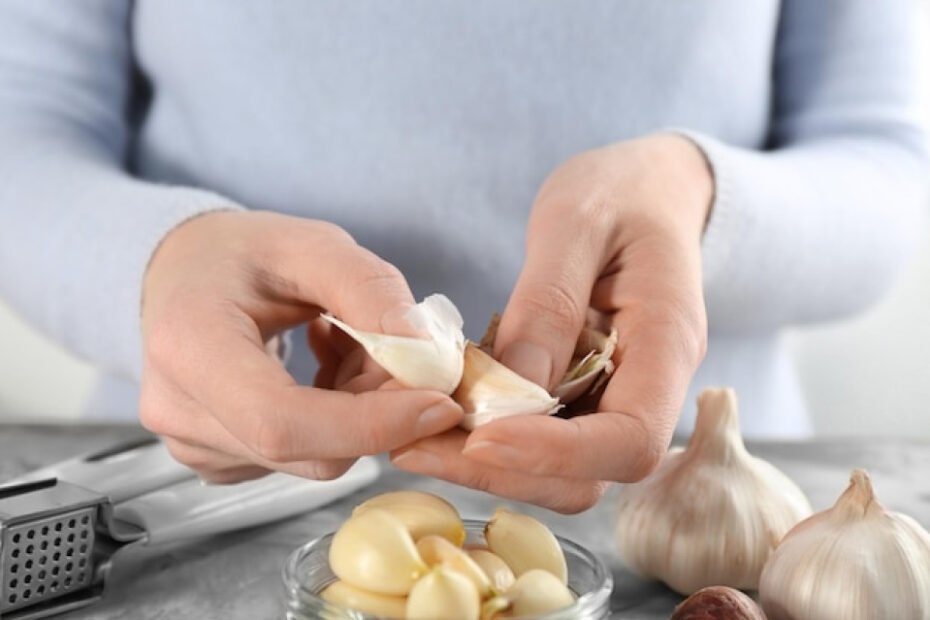
You know that moment when you’re cooking something amazing, and then you smell your hands afterward? Yeah, that garlic smell that refuses to leave no matter how many times you wash them. It’s like your fingers are permanently marinaded.
I’ve been there way too many times. Peeling garlic is necessary for good cooking, but walking around smelling like a vampire’s worst nightmare? Not so much. Let me share the methods I’ve discovered that actually keep the stink off your hands.
Why Does Garlic Smell Stick to Your Hands?
Before we get into solutions, let’s talk about why garlic is so clingy. When you peel garlic, you break its cells and release sulfur compounds. These compounds bind to the oils in your skin.
Water alone can’t remove them because they’re oil-based. That’s why regular hand washing doesn’t cut it. You need methods that either prevent contact or neutralize the compounds effectively.
Understanding this helps you choose the right peeling method. Some techniques avoid hand contact entirely. Others minimize the transfer of those stinky sulfur compounds. Let’s explore what actually works.
Method 1: The Jar Shaking Technique
This is hands-down my favorite method, and it’s wildly satisfying. Separate your garlic cloves and toss them in a jar with a lid. Any jar works—mason jars, old pasta sauce jars, whatever.
Screw the lid on tight and shake vigorously for about 30 seconds. The cloves bang against each other and the jar walls, loosening the skins. When you open the jar, the peels have mostly separated.
Your hands never directly touch the garlic skin where most of the oils concentrate. You might need to remove a few stubborn bits, but it’s minimal contact. Plus, shaking a jar is oddly therapeutic, FYI.
I use this method when I need multiple cloves peeled. It’s fast, effective, and keeps my hands smell-free. The only downside? Your kitchen sounds like a maraca concert for 30 seconds.
Method 2: Microwave Magic
Pop your unpeeled garlic cloves in the microwave for 10-15 seconds. The heat loosens the skin from the flesh, making it slide off easily. This method is quick and requires barely any hand contact.
The skins practically fall off after microwaving. You can pinch the root end and squeeze, and the clove pops out clean. Since you’re handling mostly the clove and not the skin, less oil transfers to your hands.
Be careful not to overdo the microwave time. Too long and you’ll start cooking the garlic, which changes its flavor and texture. Stick to 10-15 seconds max for best results.
This works great when you need just a few cloves quickly. It’s become my go-to method for last-minute cooking when I forgot to prep ahead.
Method 3: The Flat Knife Press
Place a garlic clove on your cutting board and lay the flat side of your chef’s knife over it. Press down firmly with your palm on the knife blade. You’ll hear a satisfying crack.
The pressure breaks the skin’s grip on the clove. The peel comes off in larger pieces that are easier to grab and discard. You’re handling the knife and peel, not squeezing the garlic directly.
This method requires some hand contact, but way less than traditional peeling. The oils mostly stay on the peel, which you immediately throw away. Your hands touch minimal garlic surface area.
I combine this with washing my hands in cold water immediately after. Cold water keeps your pores closed, preventing oil absorption. It makes a noticeable difference in lingering smell.
Method 4: Silicone Garlic Peeler Tube
These little silicone tubes are kitchen game-changers. You stick the garlic clove inside and roll it back and forth on your counter while applying pressure. The friction removes the skin inside the tube.
Your hands never touch the garlic at all. The skin stays in the tube, and you just dump it out. The clove comes out clean and ready to use.
IMO, this is the cleanest method available. It costs like five bucks and lasts forever. I keep mine in my utensil drawer and use it constantly for small batches.
The only limitation is you can only do one or two cloves at a time. For big batches, the jar method works better. But for everyday cooking, this tube is perfect.
Method 5: The Bowl and Bowl Method
Take two metal bowls of similar size. Put your separated garlic cloves in one bowl. Flip the other bowl upside down on top to create a dome.
Hold the bowls together tightly and shake like crazy for 20-30 seconds. The same principle as the jar method applies—the cloves bang around and shed their skins without you touching them.
Metal bowls work best because they’re rigid and create more impact. The cloves really bounce around in there. When you separate the bowls, most skins have detached.
This method handles larger quantities than the jar. If you’re meal prepping or making a big batch of something garlicky, this is your friend. Zero hand contact means zero smell transfer.
Method 6: Soaking in Water
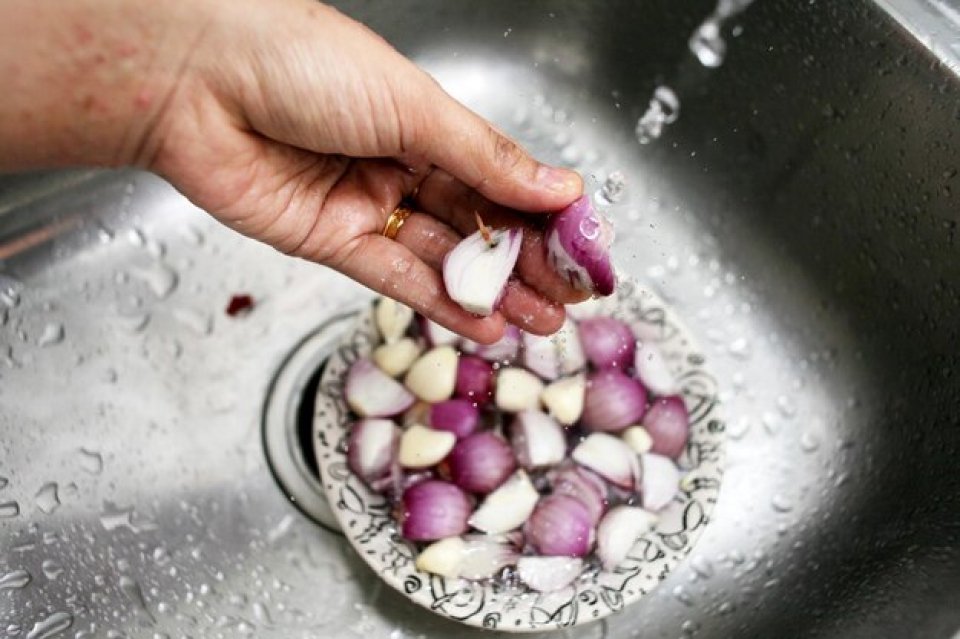
Separate your garlic cloves and drop them in a bowl of room temperature water. Let them soak for 10-15 minutes. The water seeps between the skin and flesh, loosening everything up.
After soaking, the skins slip off much easier with minimal pressure. You’re still using your hands, but the water barrier reduces direct oil contact. The skins come off in fewer pieces too.
Drain the water and peel each clove by pinching the root end and squeezing. The clove pops right out. Rinse your hands in cold water immediately after to wash away any oils.
This method is gentle and works great if you’re not in a rush. I use it when I’m prepping ingredients while something else cooks. The garlic soaks while I handle other tasks.
Method 7: Freezing for Easy Peeling
Freeze your unpeeled garlic cloves for about 30 minutes. The cold causes the flesh to contract slightly, separating from the skin. When you remove them, the skins practically fall off.
You barely need to touch the garlic at all. The skins are loose and come away with minimal handling. This method is perfect if you’re planning ahead for a recipe.
The frozen garlic is also easier to mince or slice. The firm texture means cleaner cuts and less sticking to your knife. Just let them thaw slightly if they’re too hard to cut comfortably.
I keep a container of separated cloves in my freezer specifically for this purpose. When I need garlic, I grab what I need and they’re ready to peel in minutes.
Method 8: Using Gloves
Sometimes the simplest solution is the best. Disposable latex or nitrile gloves create a complete barrier between your skin and garlic oils. No contact means no smell transfer, period.
You can peel garlic any way you want while wearing gloves. Crush it, squeeze it, whatever works fastest for you. When you’re done, just toss the gloves and your hands are pristine.
I keep a box of disposable gloves in my kitchen for garlic and other messy prep work. They’re cheap, effective, and eliminate smell worries completely. Plus, they’re useful for handling hot peppers too.
The downside is you’re creating waste with disposable gloves. If that bothers you, consider reusable kitchen gloves. They work just as well and you can wash them after use.
Method 9: The Commercial Garlic Peeler Roller
These gadgets look like textured rubber mats. You place garlic cloves on your counter, put the mat over them, and roll back and forth with your palm applying pressure.
The textured surface grabs the skins and pulls them off while the cloves stay put. It handles multiple cloves at once and keeps your hands completely clean. No direct garlic contact at all.
I was skeptical about buying another kitchen gadget, but this one earned its drawer space. It’s fast, works consistently, and cleans up easily. Just rinse it under water and it’s ready for next time.
These cost around ten bucks and last for years. If you cook with garlic regularly, it’s a worthwhile investment that pays for itself in saved hand-washing time and soap.
Method 10: The Immediate Stainless Steel Rub
Here’s the secret weapon for when you do get garlic smell on your hands. Rub your hands on stainless steel under cold running water for 30 seconds. It neutralizes the sulfur compounds chemically.
Use your kitchen sink, a stainless steel spoon, or one of those stainless steel “soap” bars made specifically for this purpose. The metal reacts with the sulfur molecules and breaks them down.
I keep a stainless steel bar by my sink just for this. After peeling garlic any way that involves hand contact, I immediately use it. The smell disappears almost completely instead of lingering for hours.
This method doesn’t prevent smell during peeling, but it’s your cleanup solution. Combined with any low-contact peeling method, it ensures your hands stay fresh. Cold water is key—it prevents your pores from absorbing oils.
Combining Methods for Best Results
You don’t have to pick just one technique. I regularly combine methods depending on how much garlic I need and what I’m making. Multiple cloves? Jar or bowl method. Single clove? Microwave or knife press.
Always finish with cold water and stainless steel if you touched garlic directly. This two-step cleanup catches any oils that made it to your skin. Prevention plus cleanup equals zero lingering smell.
Think about your cooking workflow too. If you’re prepping multiple ingredients, handle garlic last. That way you can immediately wash up without worrying about transferring smell to other foods.
What Doesn’t Work Well
Let me save you some trial and error. Rubbing your hands with lemon juice helps a tiny bit but doesn’t eliminate smell completely. Salt scrubs are too abrasive and still leave smell behind.
Those fancy scented hand soaps? They just mask the smell temporarily. Underneath, the garlic scent lurks and comes back stronger once the perfume fades. Not a real solution.
Peeling garlic under running water sounds good in theory but wastes tons of water and doesn’t prevent smell much. The oil still transfers to your hands, just while they’re wet.
My Personal Garlic Routine
After years of cooking, here’s what I actually do. For single cloves, I use the microwave method or silicone tube. For multiple cloves, I go with the jar shaking technique.
I always finish by rubbing my hands on stainless steel under cold water. This combo keeps my hands completely smell-free even when cooking garlic-heavy dishes multiple times per week.
I also keep separated garlic cloves in my freezer. Having them ready to grab makes the whole process faster. Less time handling garlic means less chance of smell transfer.
The Real Talk About Garlic Smell
Look, garlic smell isn’t the end of the world. It’s just annoying when you’re trying to be professional at work or you have plans after cooking. These methods give you options based on your situation.
Some days I honestly don’t care and just peel garlic with my bare hands. Other times, like before a date or meeting, I use every trick in this list. Having options means you control the outcome.
The goal isn’t garlic avoidance—it’s control. You want to cook delicious food without the side effect of smelling like a pizzeria for the next six hours, right?
Bottom Line
Peeling garlic without smelling like garlic is totally doable with the right techniques. Physical barrier methods like jars, bowls, and silicone tubes prevent contact entirely. Quick techniques like microwaving make peeling faster with less handling.
The best approach combines prevention during peeling with immediate cleanup afterward. Use low-contact methods and follow up with stainless steel under cold water. This one-two punch eliminates smell almost completely.
Experiment with different methods to find what fits your cooking style. Once you find your favorite, you’ll wonder why you ever struggled with garlic smell in the first place. Now go forth and cook garlicky goodness without the aromatic aftermath!
FAQs
Q: Does rubbing your hands on stainless steel actually work scientifically?
A: Yes! The chromium in stainless steel binds with sulfur compounds from garlic, neutralizing them. It’s actual chemistry, not just folklore. Use it under cold running water for best results.
Q: Can I peel garlic and store it for later use?
A: Absolutely! Peeled garlic cloves store in an airtight container in the fridge for up to one week. You can also freeze them for several months. This lets you handle the smell once instead of repeatedly.
Q: Why does cold water work better than hot water for garlic smell?
A: Cold water keeps your pores closed, preventing garlic oils from absorbing into your skin. Hot water opens pores, allowing more oil penetration. Always use cold water when handling or cleaning up after garlic.
Q: Will wearing gloves affect my knife skills or cooking?
A: Not really. Thin latex or nitrile gloves barely affect dexterity. You might feel slightly less sensitive touch, but most cooks adapt within seconds. The smell-free benefit far outweighs any minor adjustment period.
Q: What’s the fastest method when I’m in a hurry?
A: Microwave method wins for speed. Ten seconds in the microwave, squeeze the clove out, done. For multiple cloves in a hurry, the jar shake method takes just 30 seconds total. Both are faster than traditional peeling.